While Vilnius was usually called “the Jerusalem of the North / of Lithuania”, I always had the impression that there was something more serious, more solennel, in the Jewish community of Kaunas. So I came to take a look. One synagogue is still working (the last one in my series, Kauno choralinė sinagoga), I saw Haredi Israelis praying there and it was certainly a great thing to see. Yet the state of decay of the two other major knessets is heartbreaking. Some of the buildings were given a new life (Mėsininkai Synagogue among others), but some of those which are still there beg for nefesh hadash, a new soul.
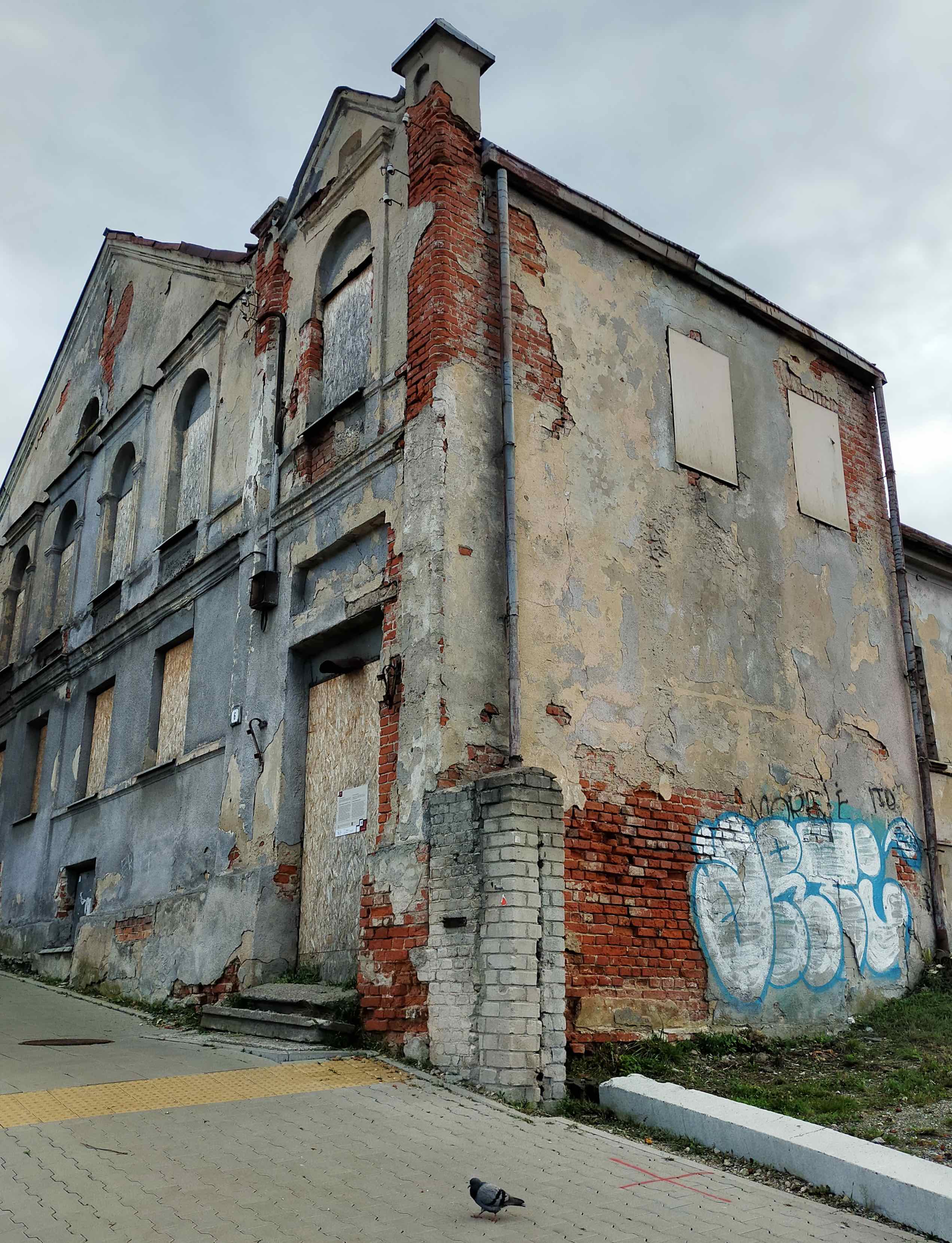
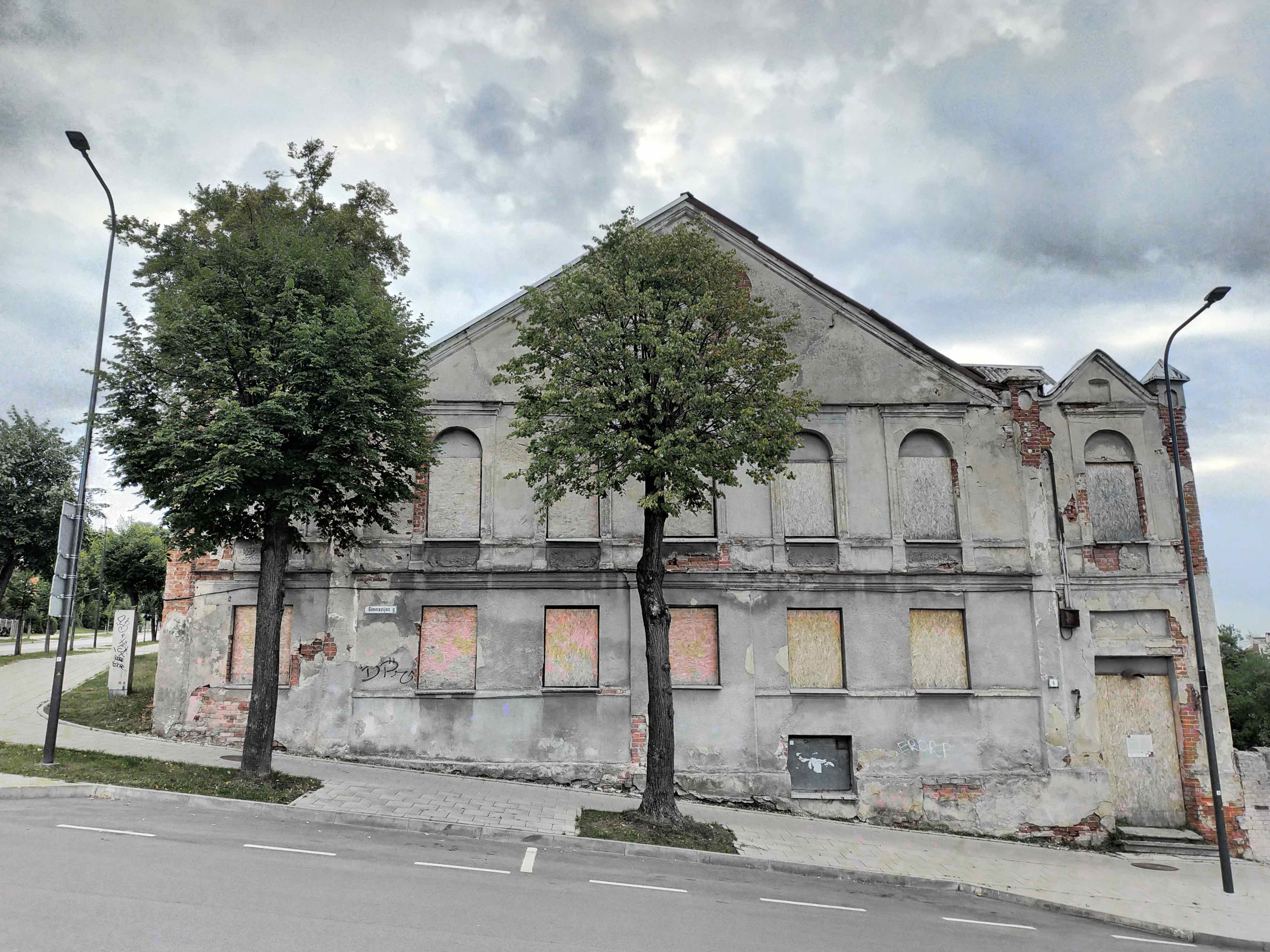
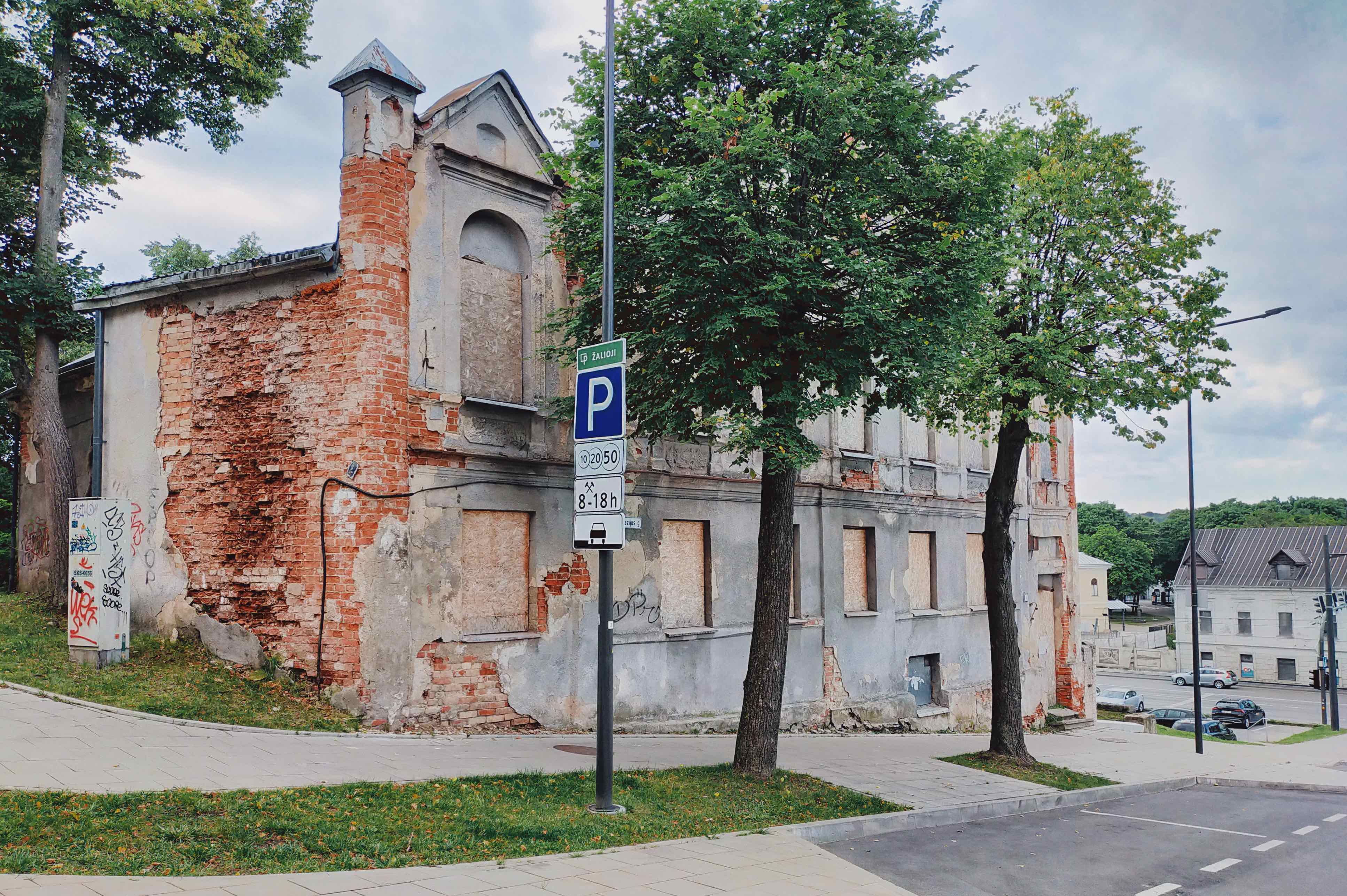
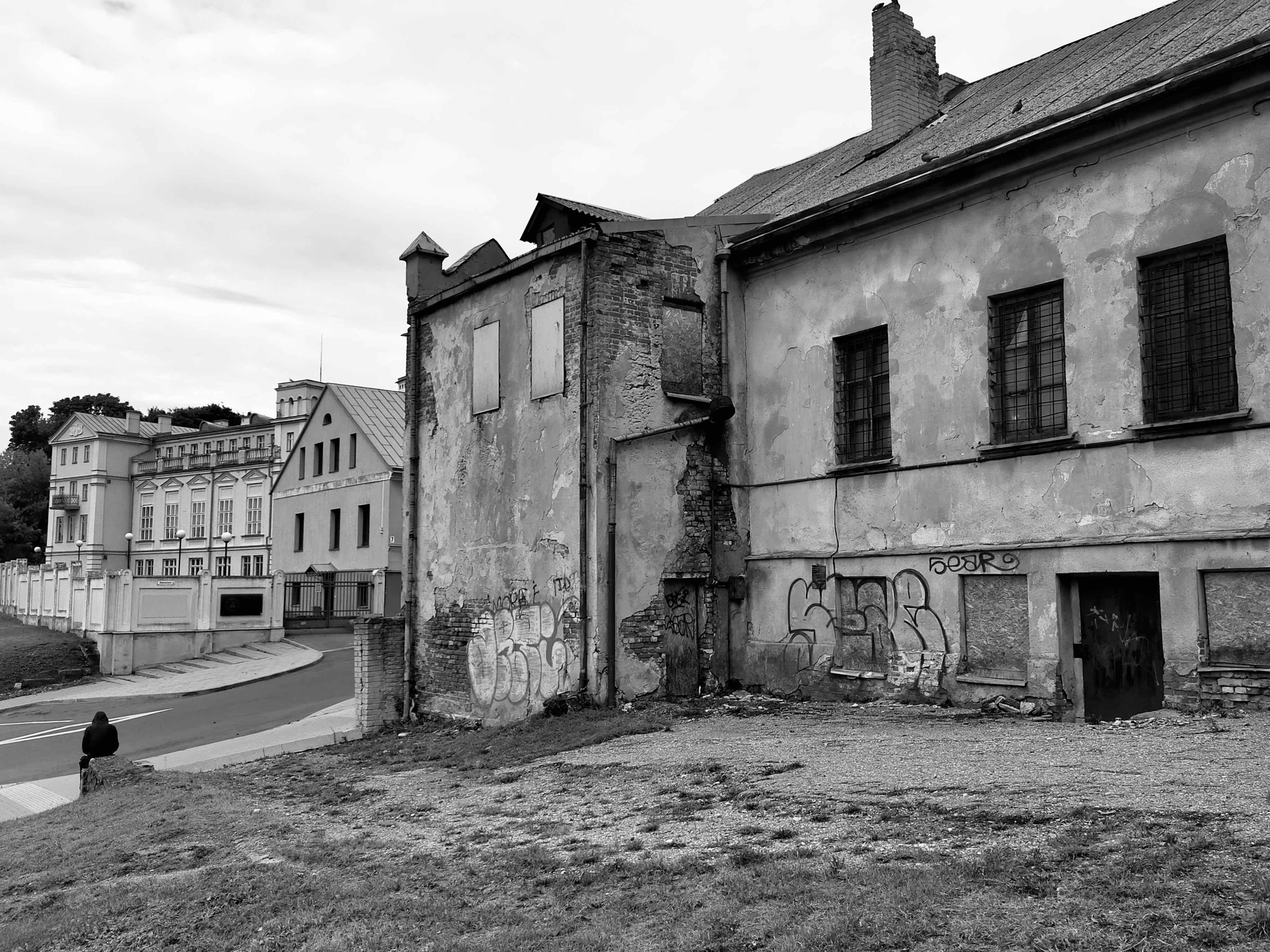
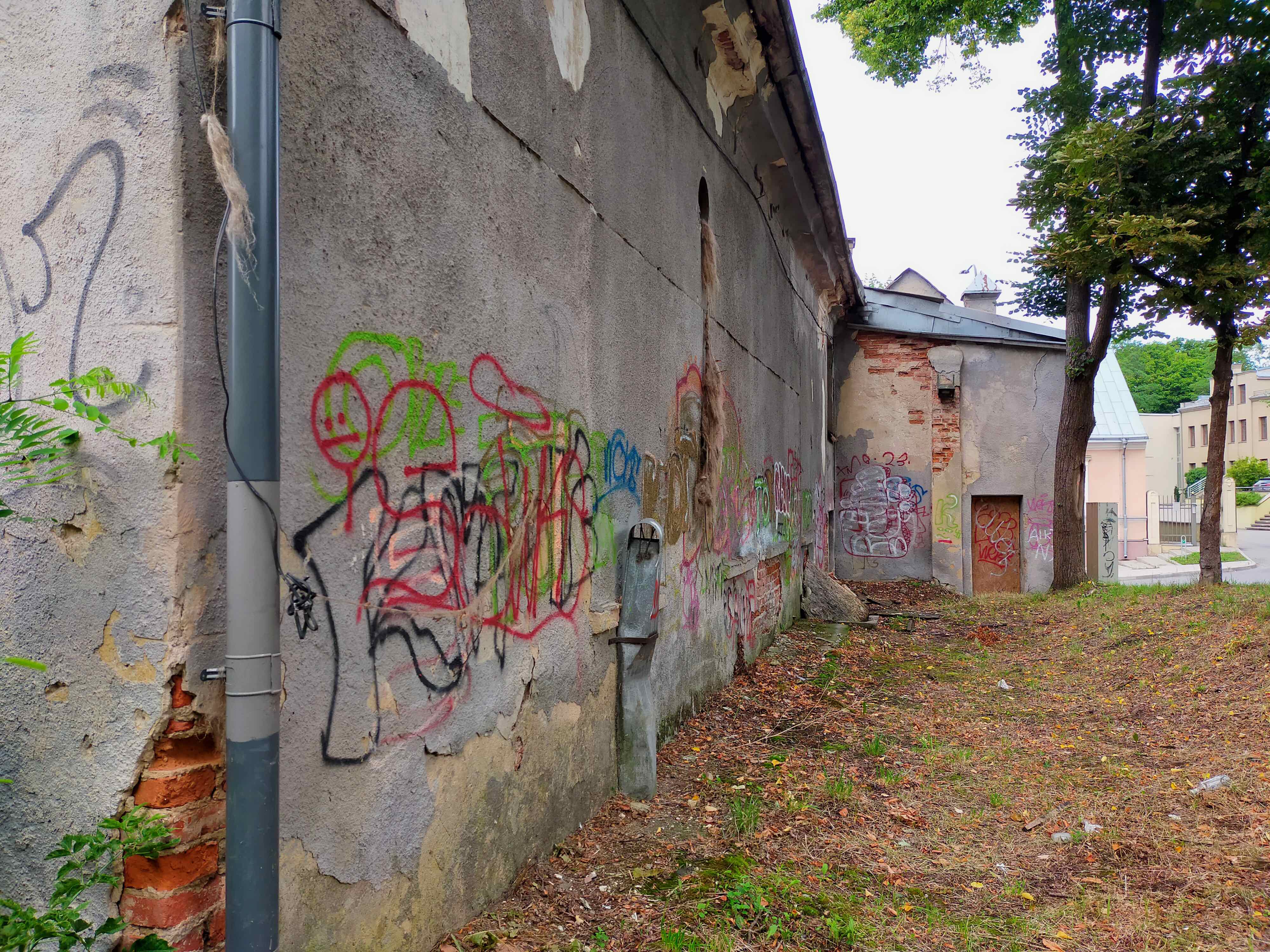
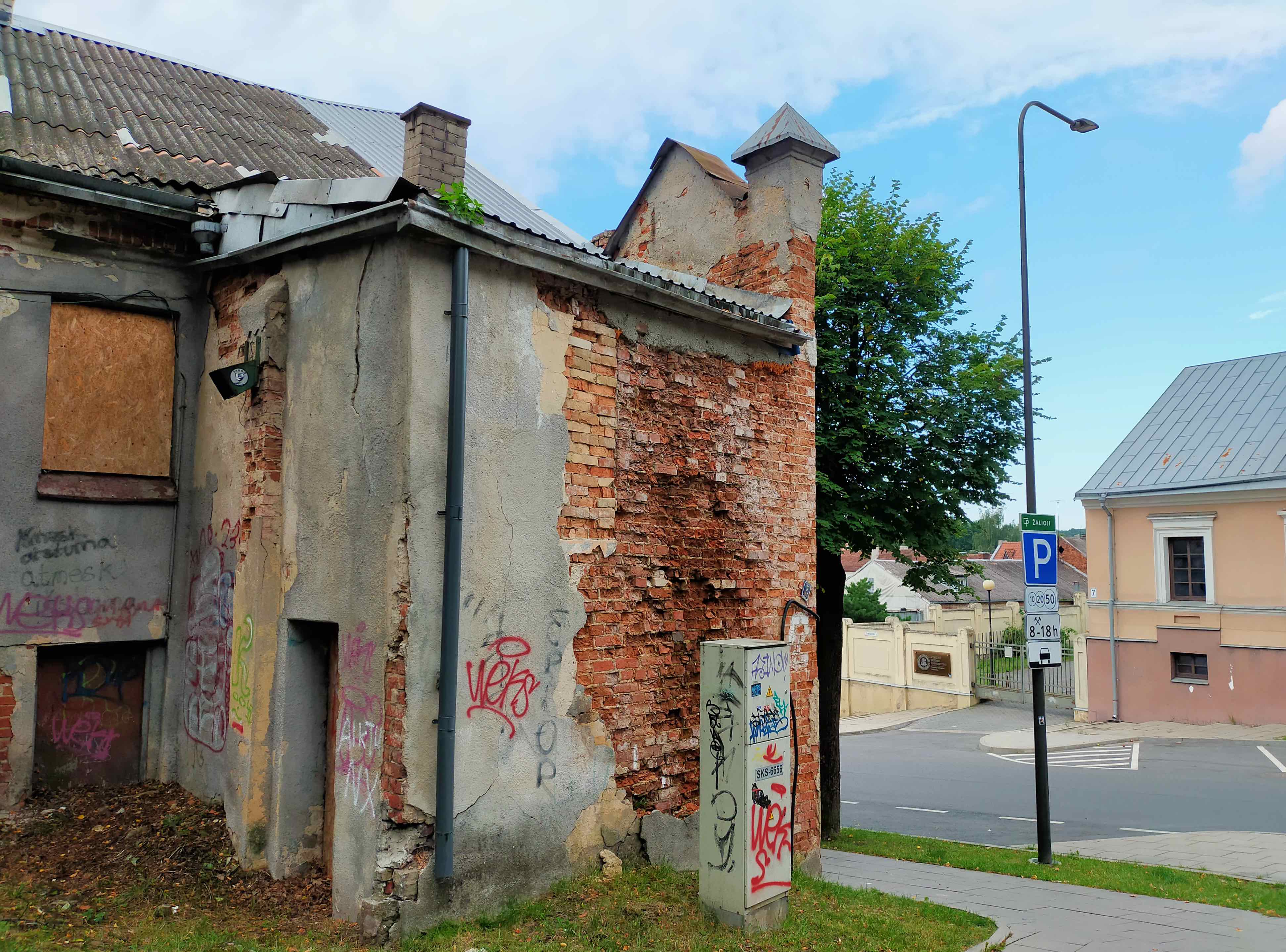
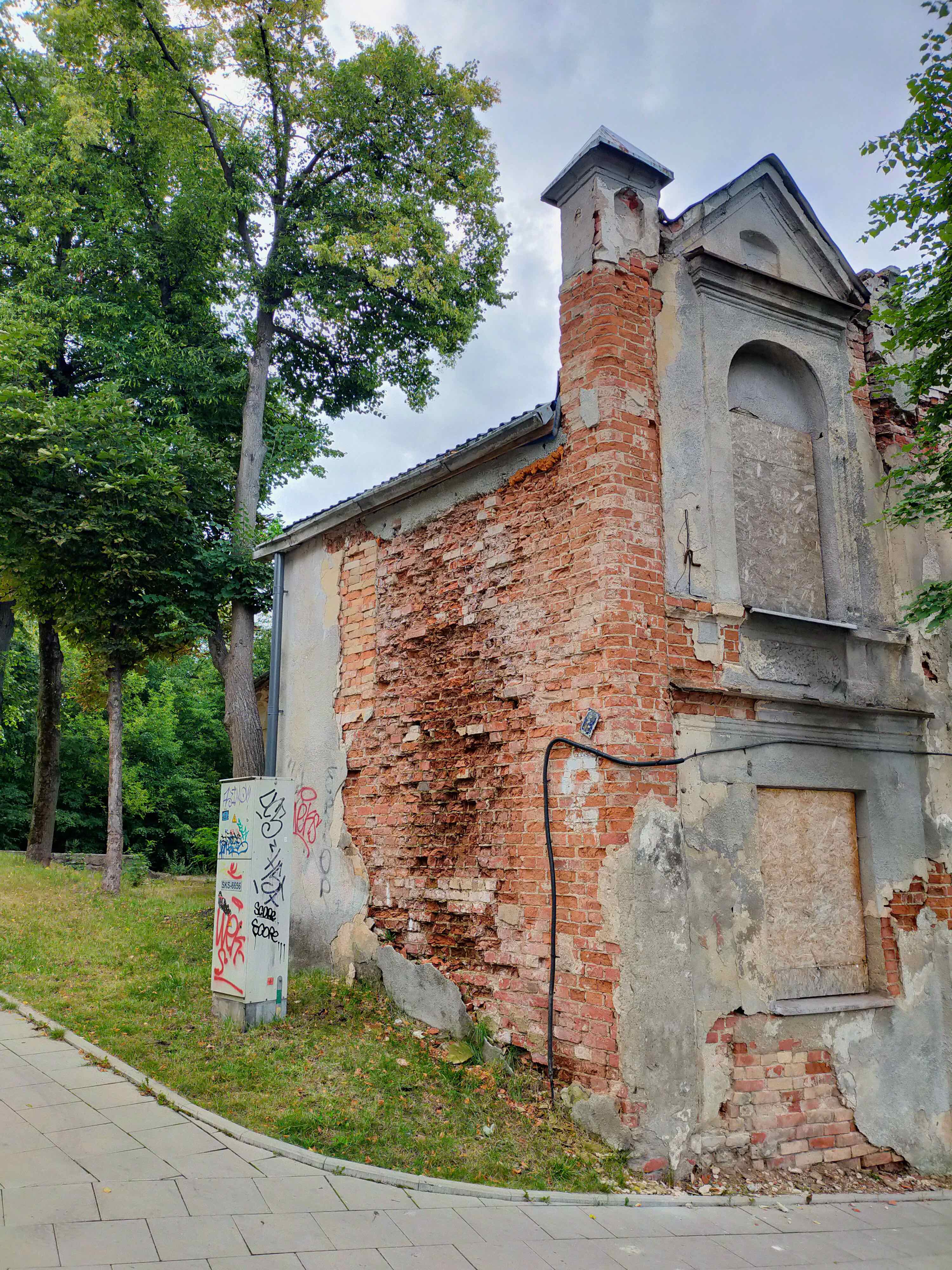
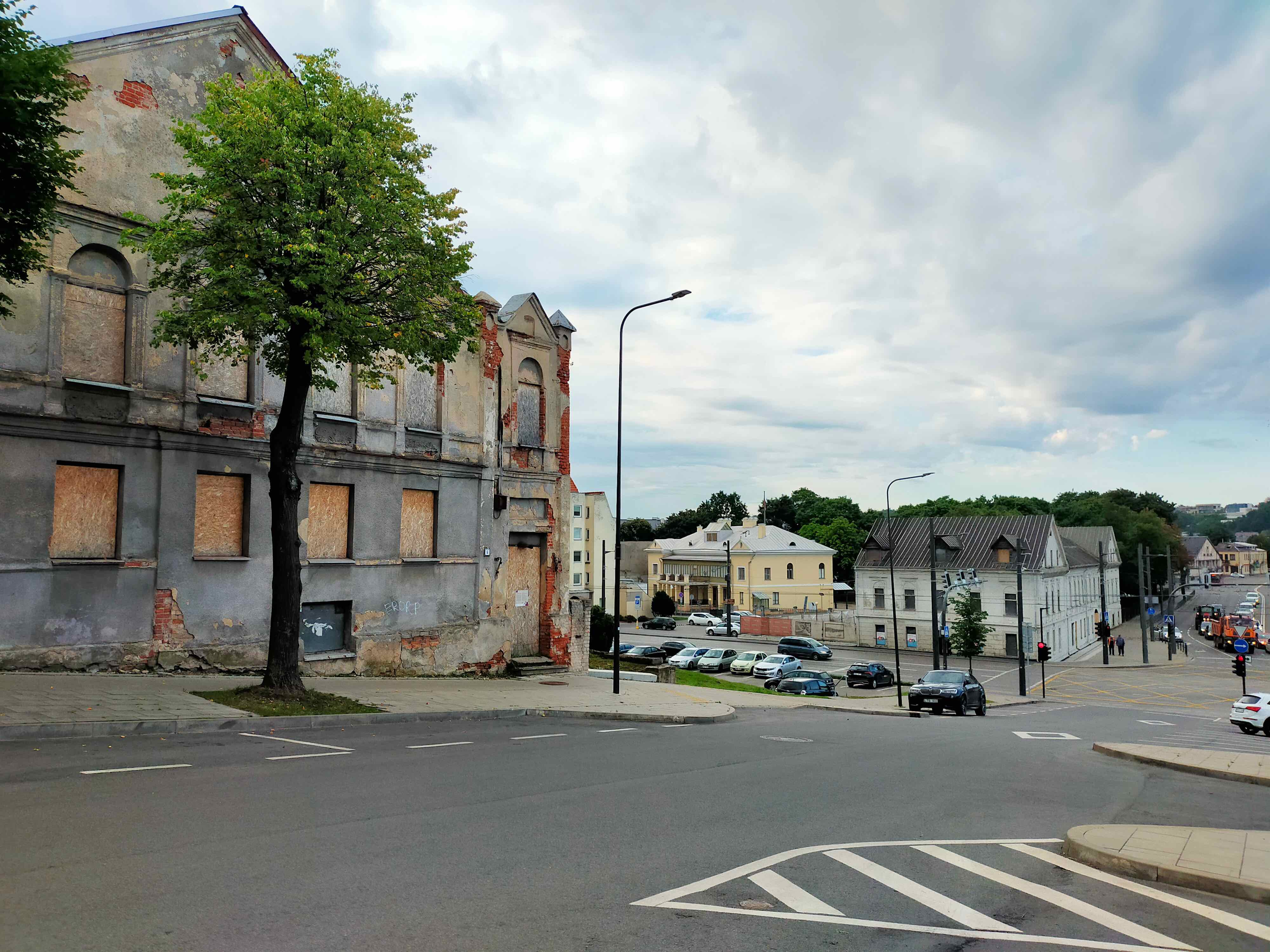
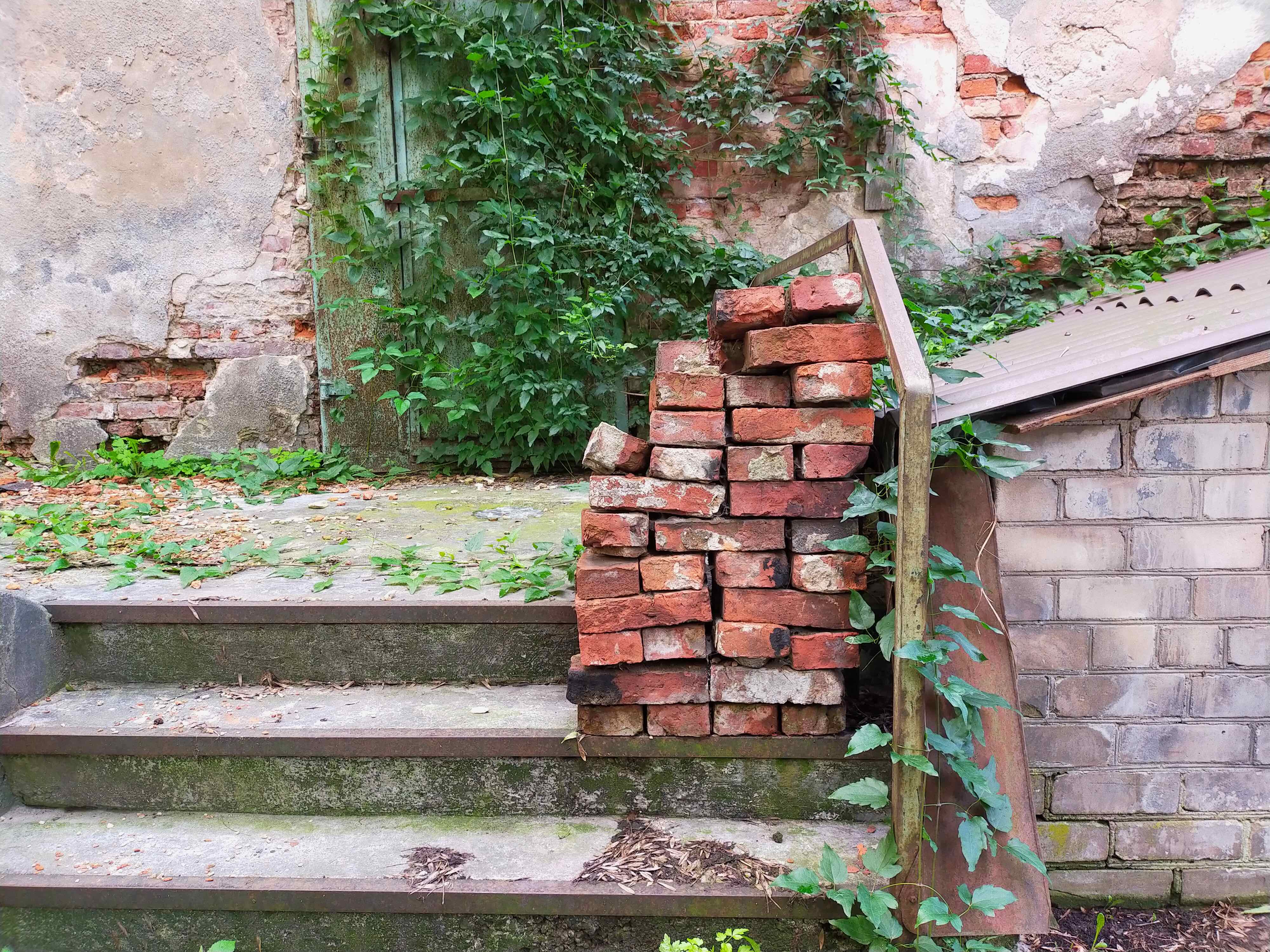
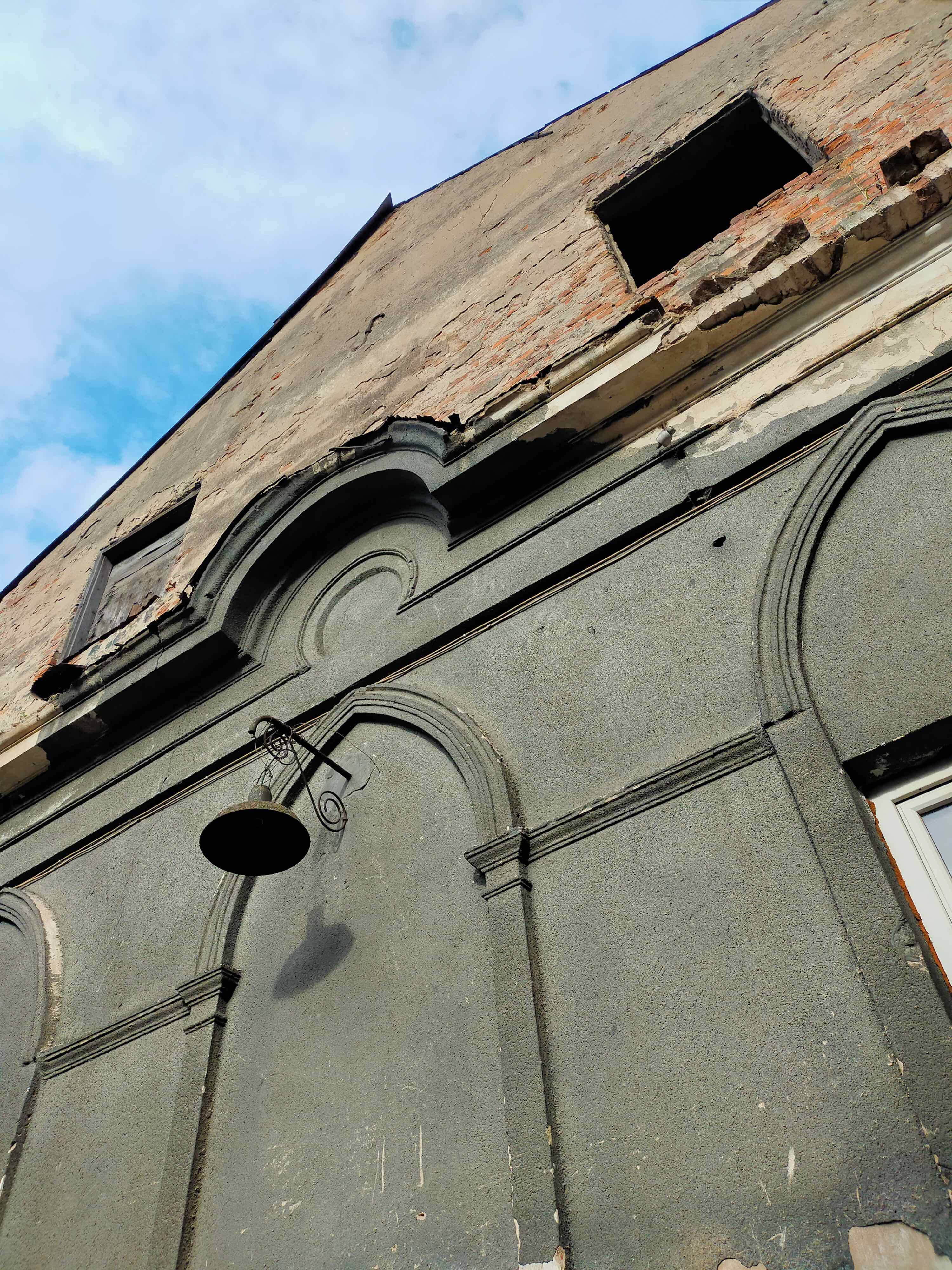
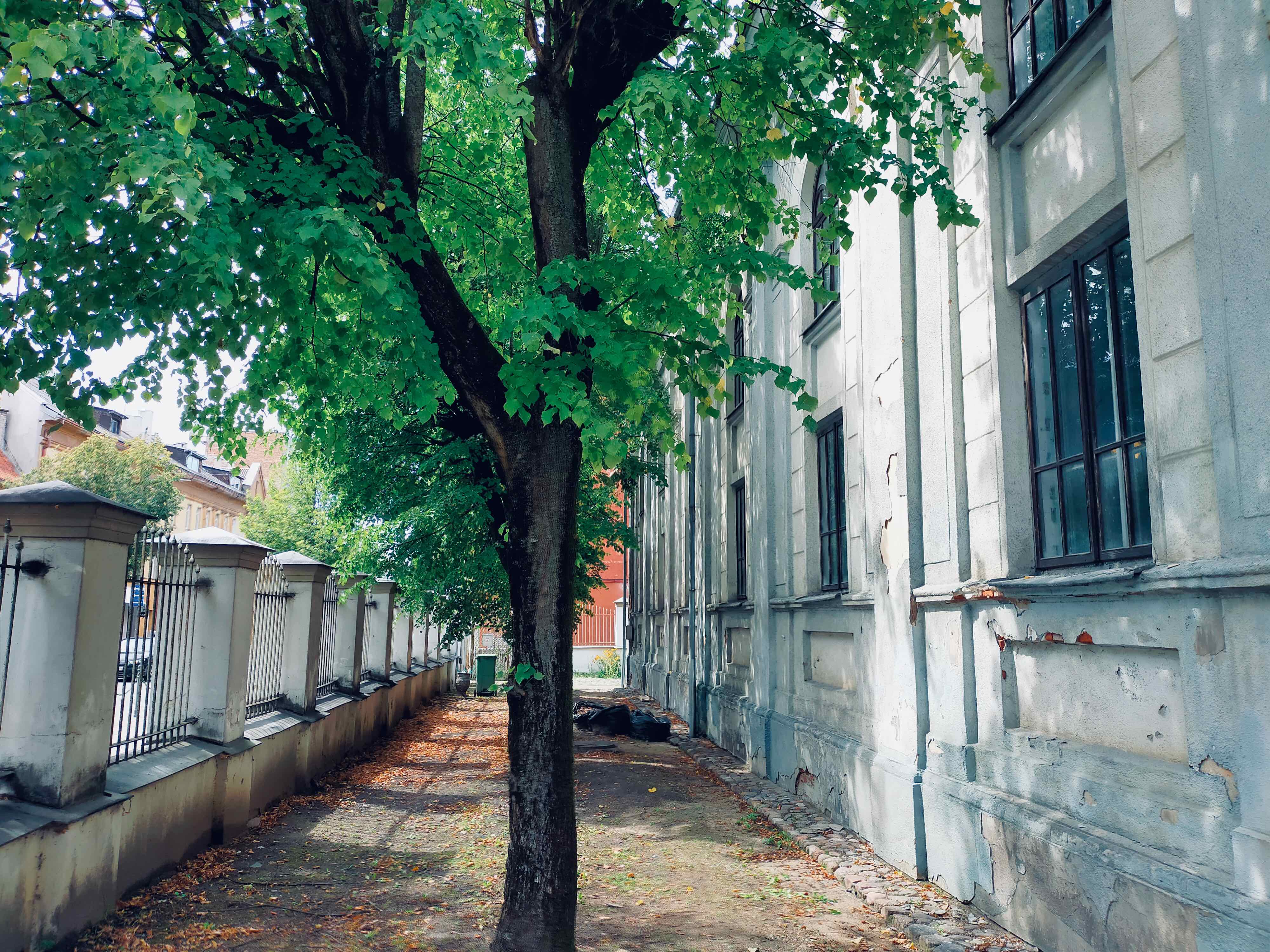
Chasidic kloiz in Kaunas (Hasidic Kloyz) is a Hasidic synagogue built in 1880. The irregular ground plan was determined by the form of the plot, situated at the intersection of two streets. The Neo-Renaissance brick building was an educational institution but is now completely abandoned. No trace of Jewish past whatsoever. The building was towering over the town. It must have been crucial.
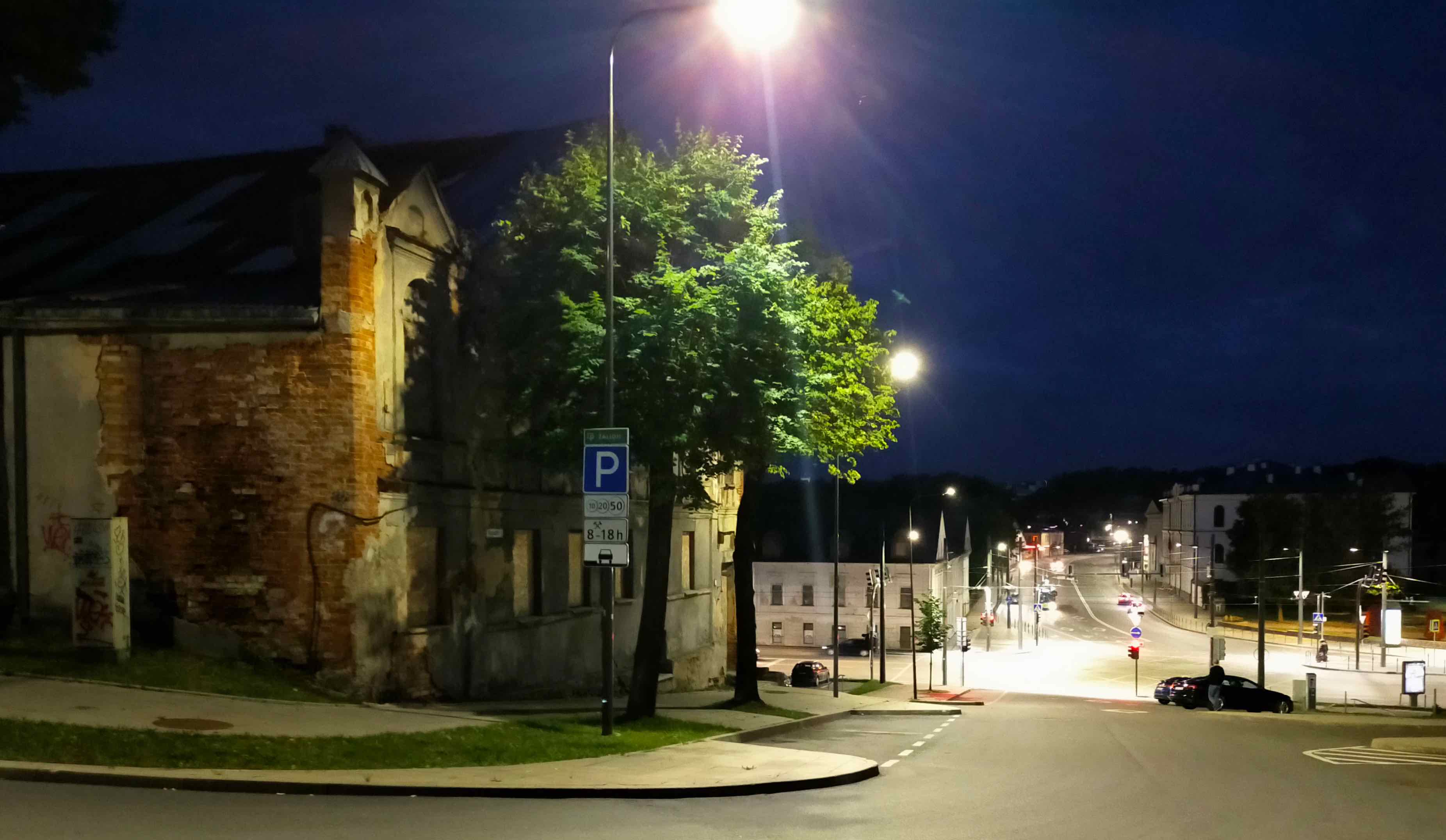
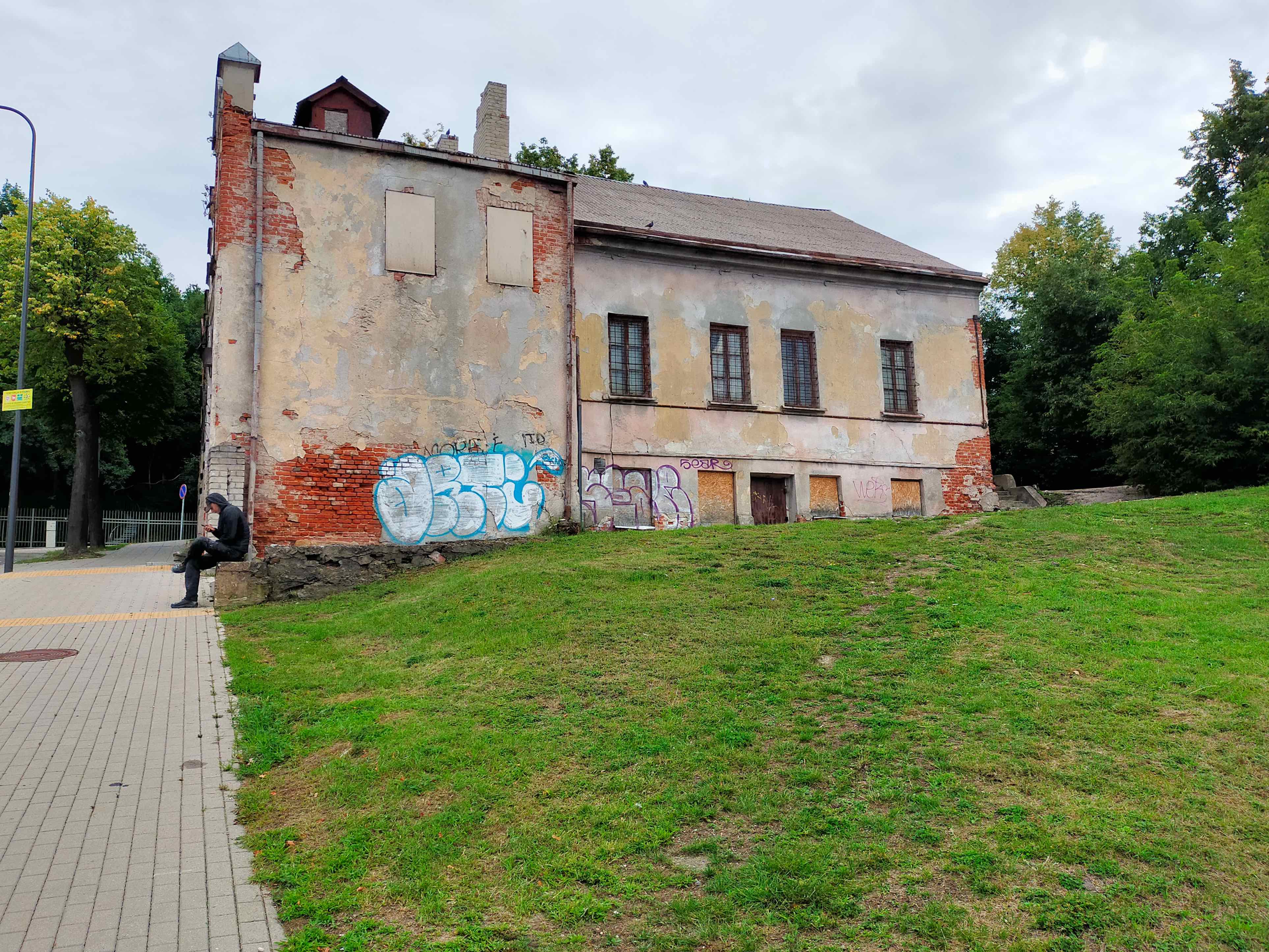
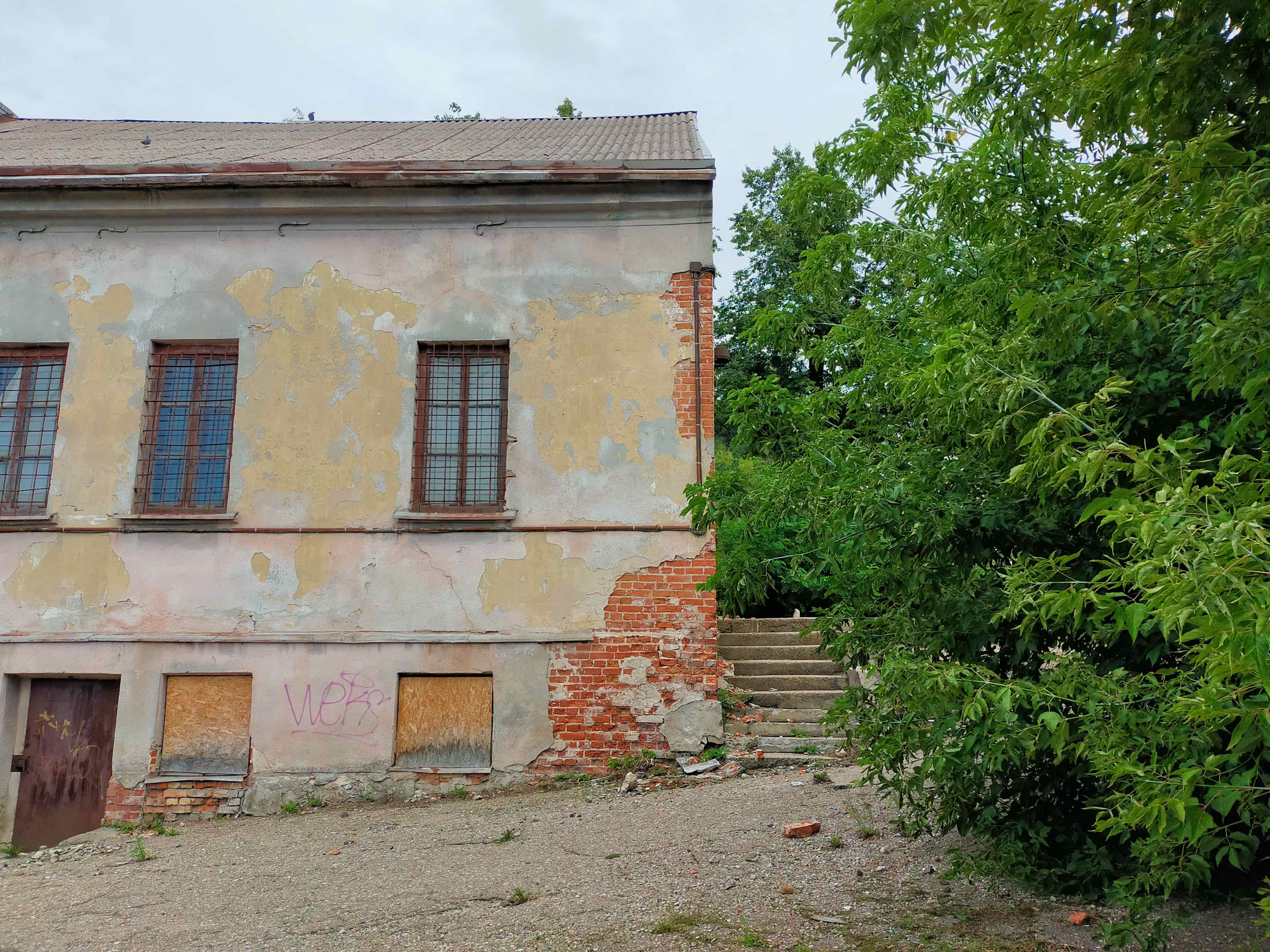
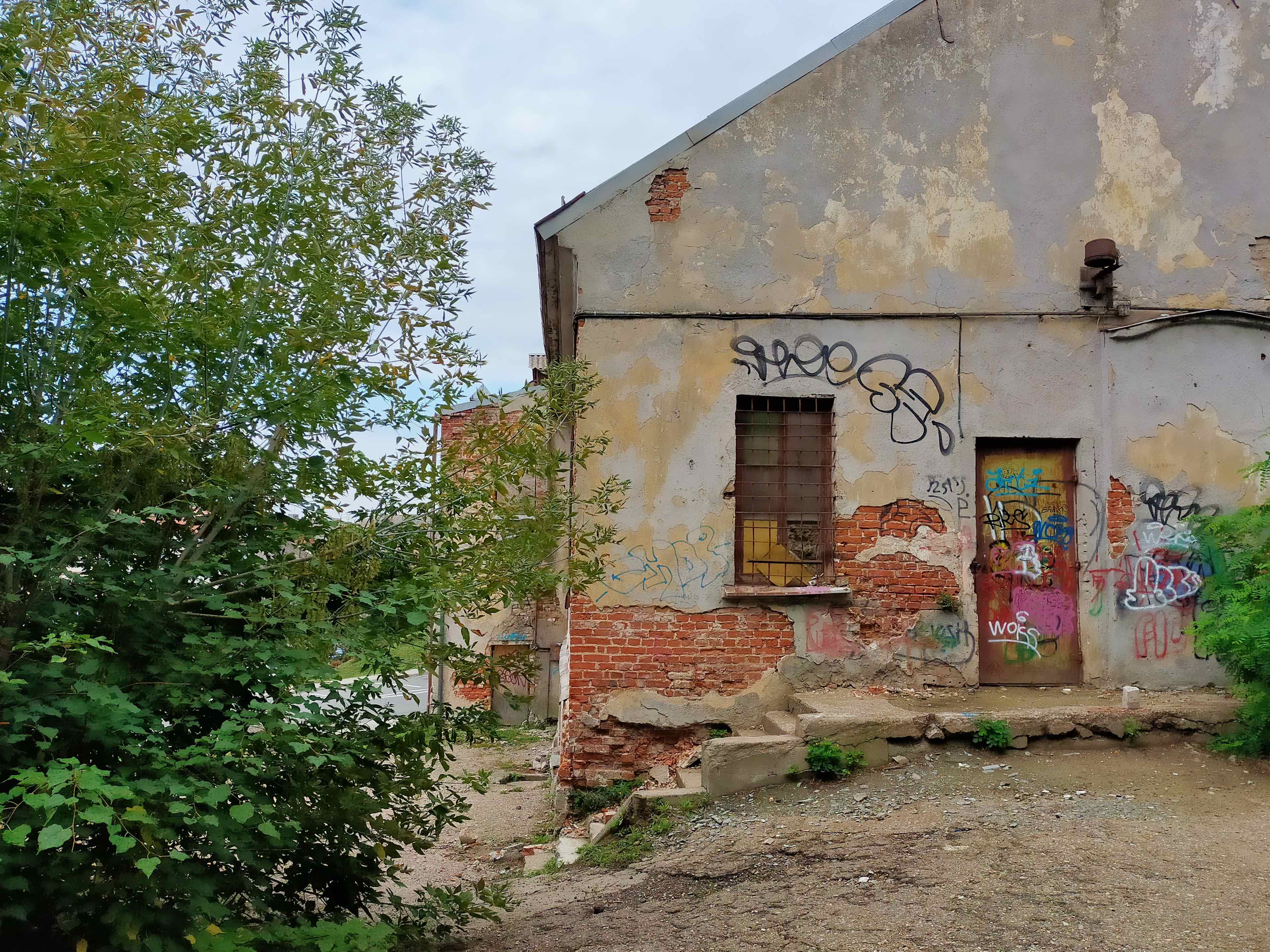
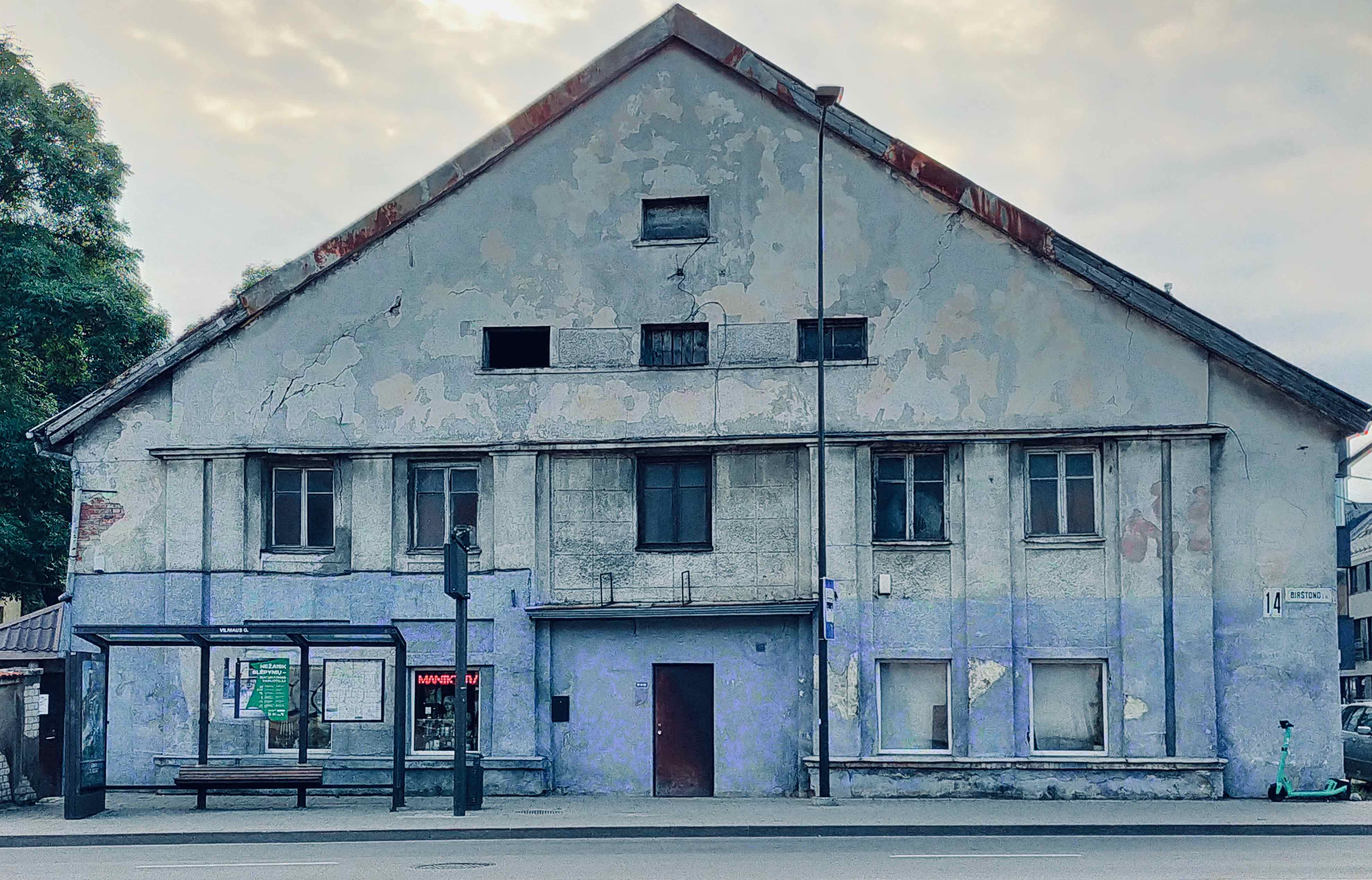
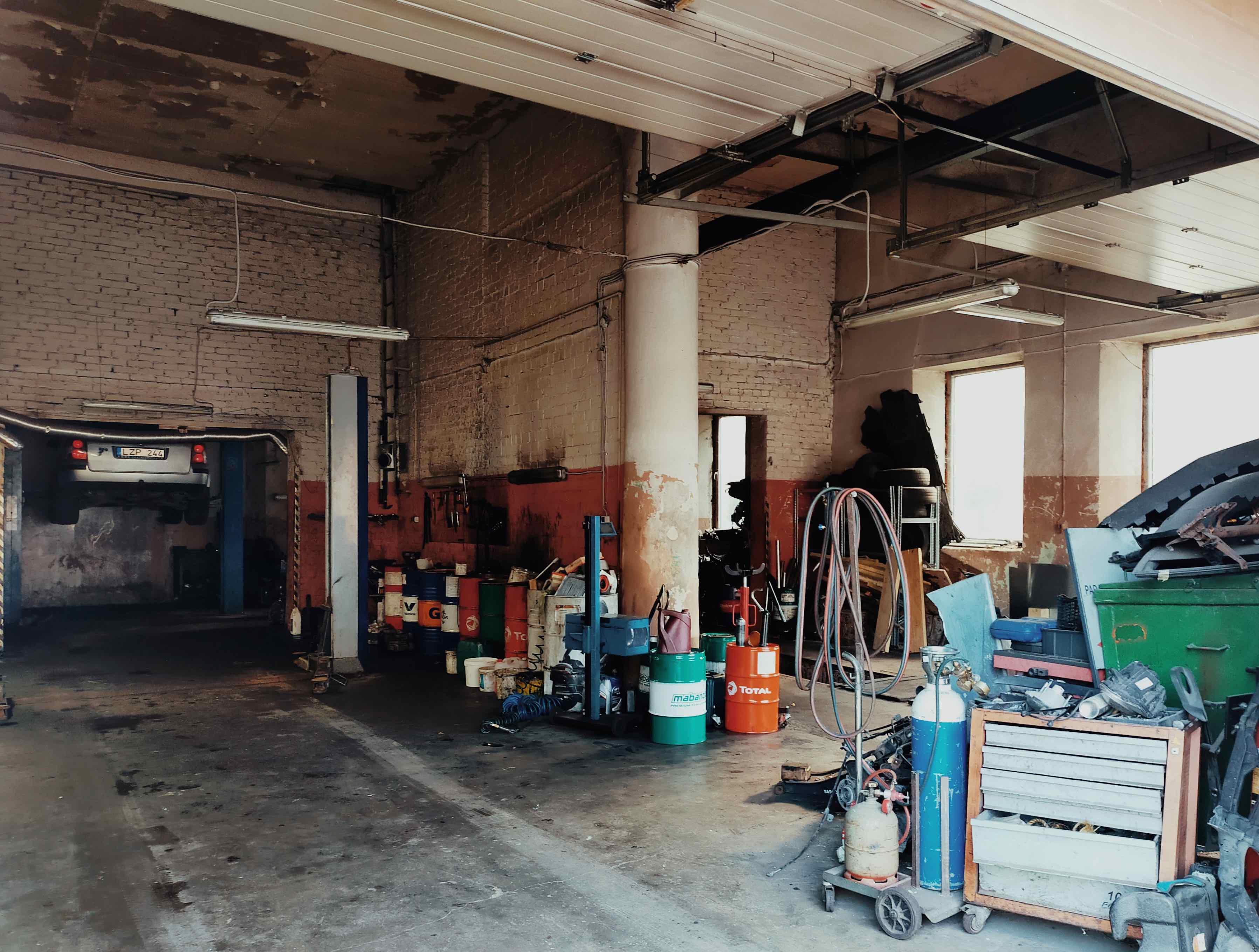
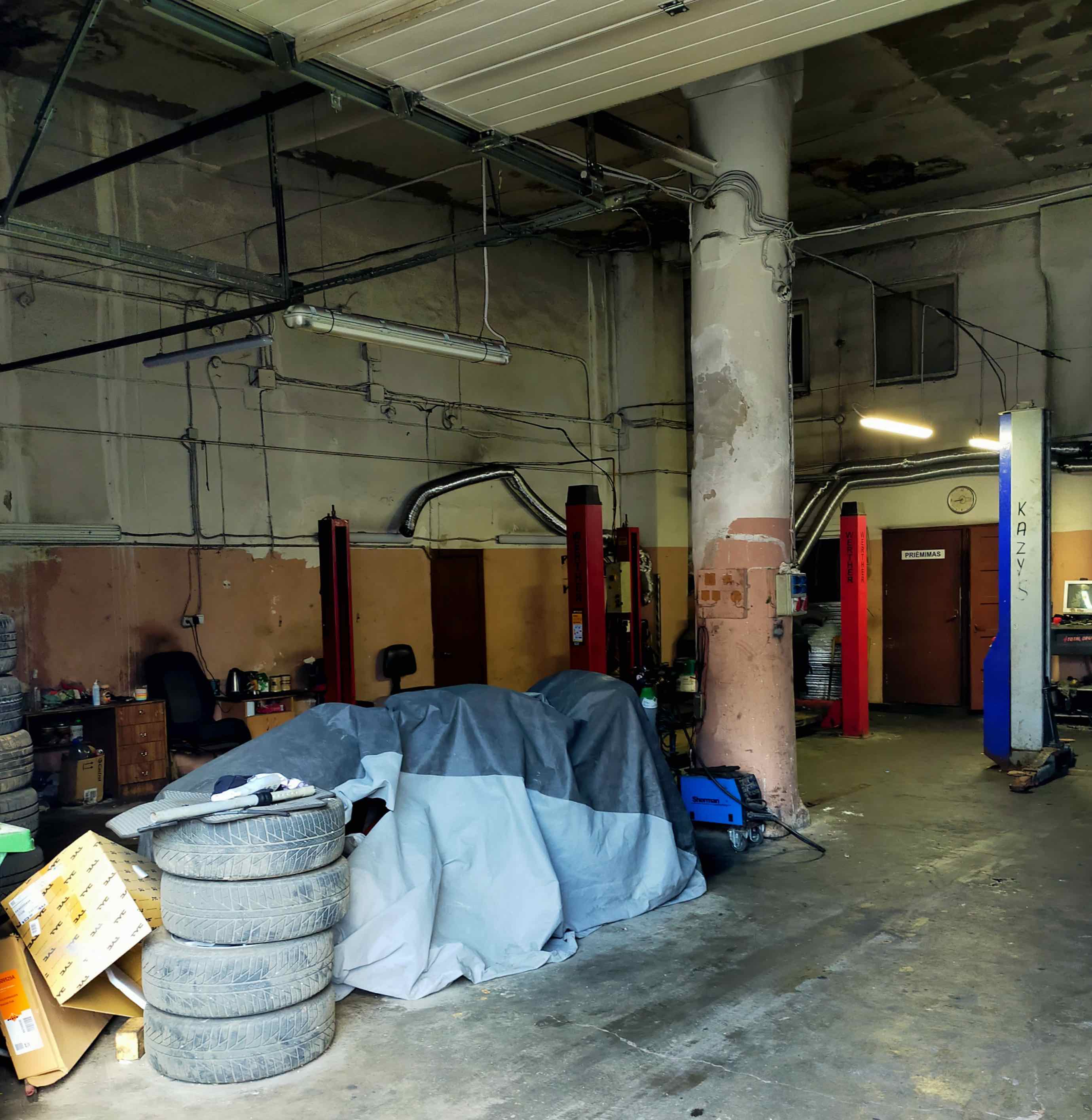
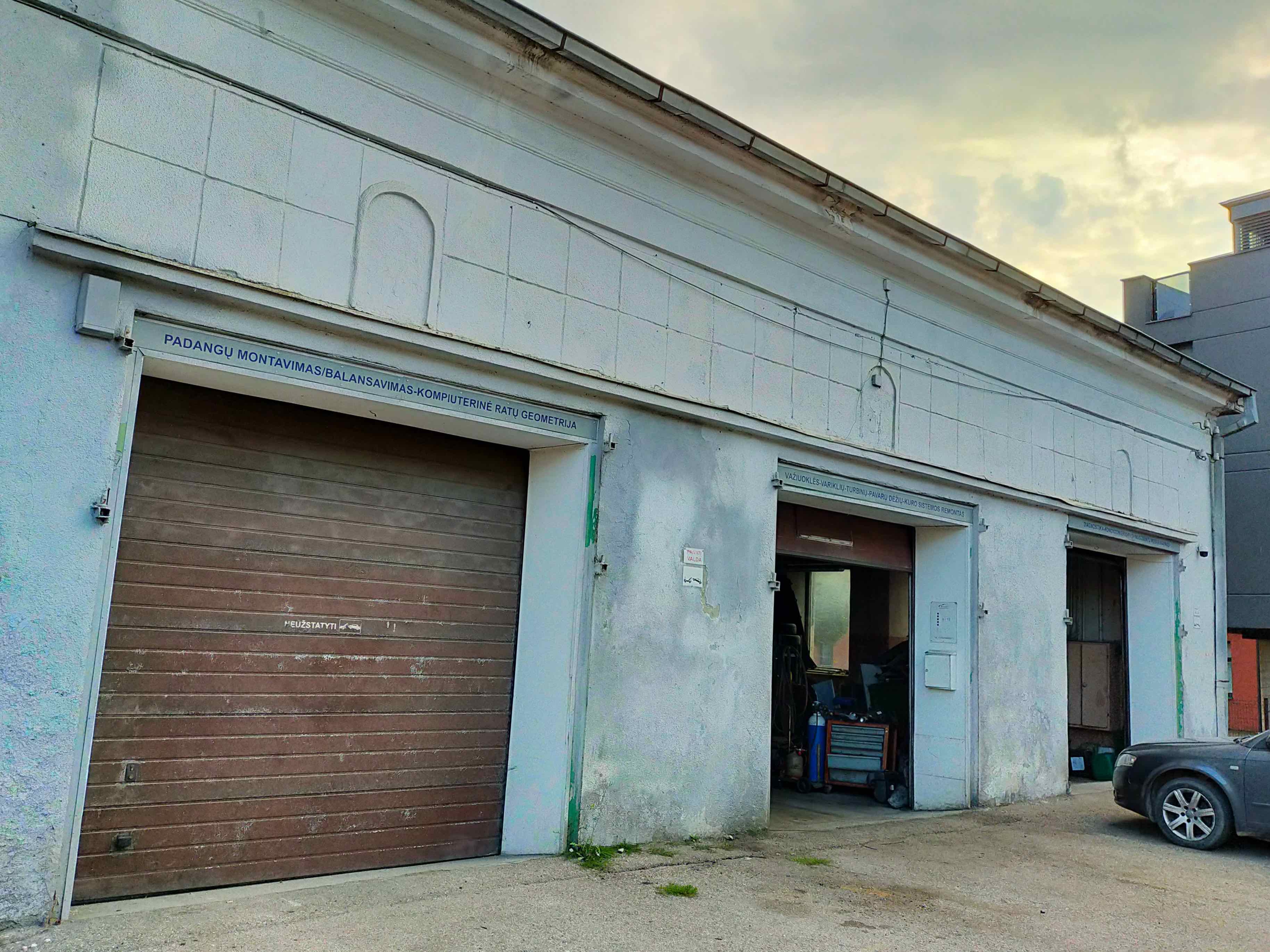
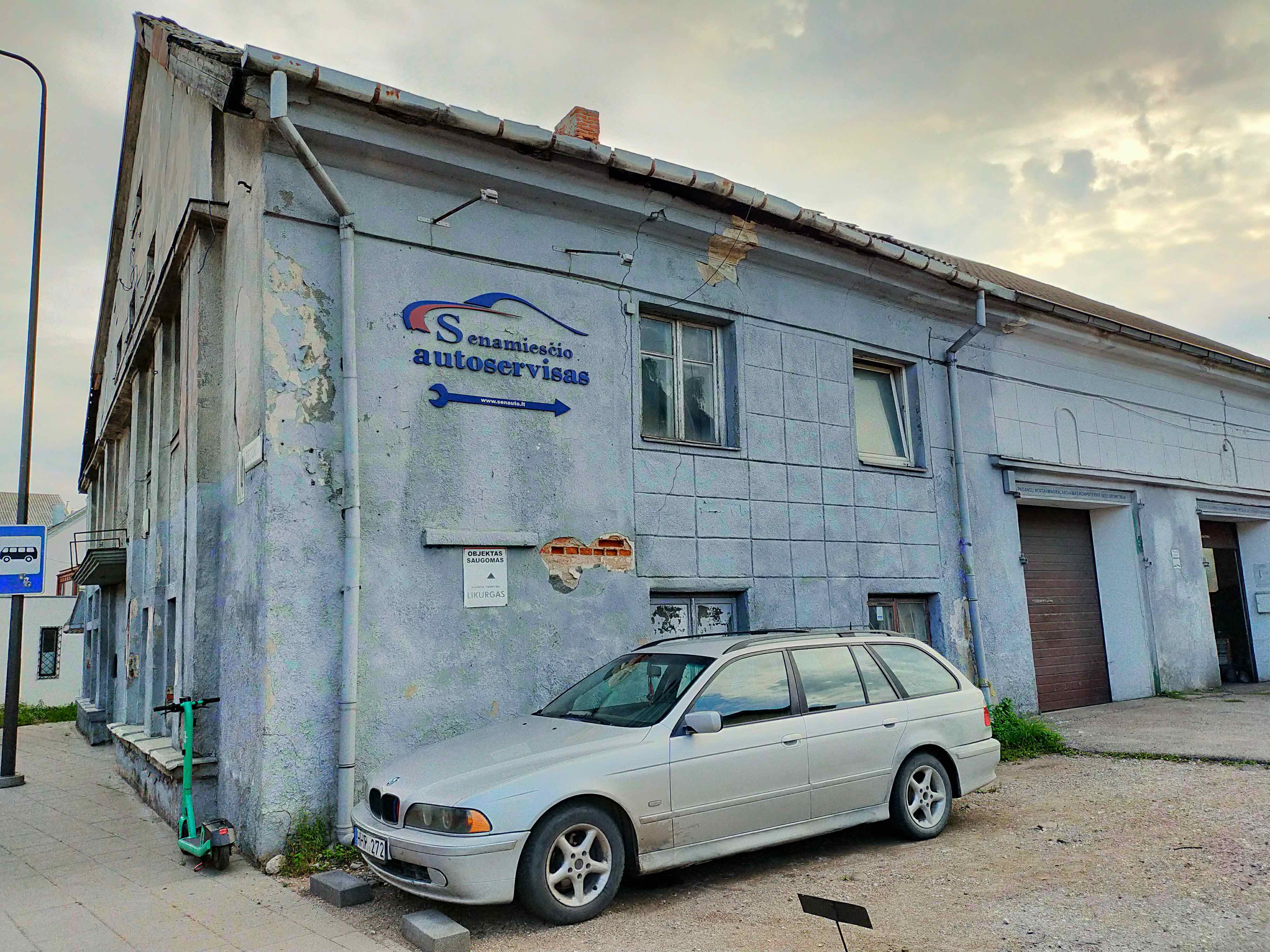
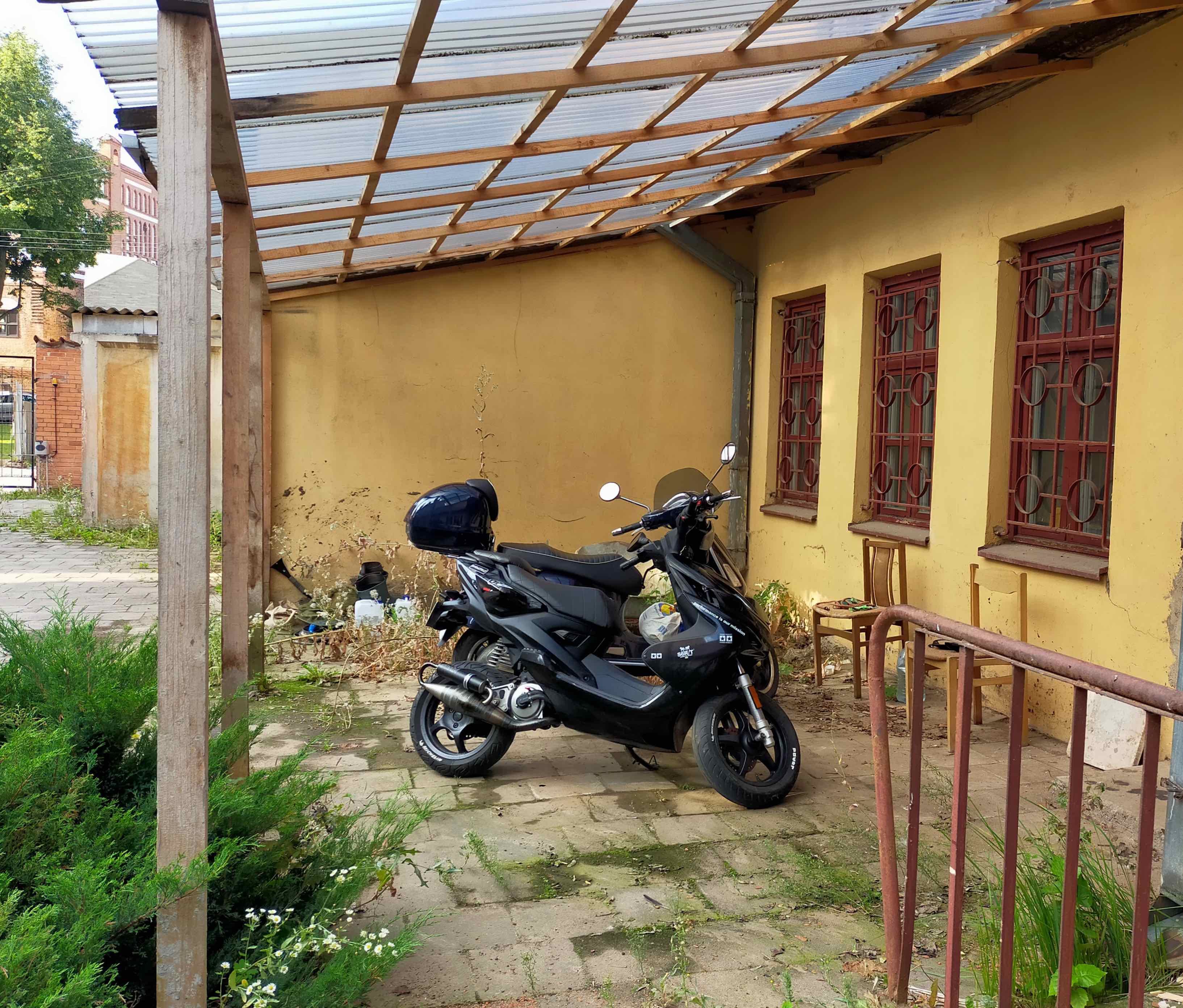
A barbershop and an auto repair shop were opened in the former synagogue on Birštono Street in Kaunas. The New Beit Midrash was erected in 1860–62 on a rectangular ground plan and covered by a gable roof. Its main, western façade was changed in the 1930s. The brick plastered building contained a prayer hall on the eastern side and a two-storey part in the west. The spacious nine-bay prayer hall had four columns, which enclosed the central bimah. (source)
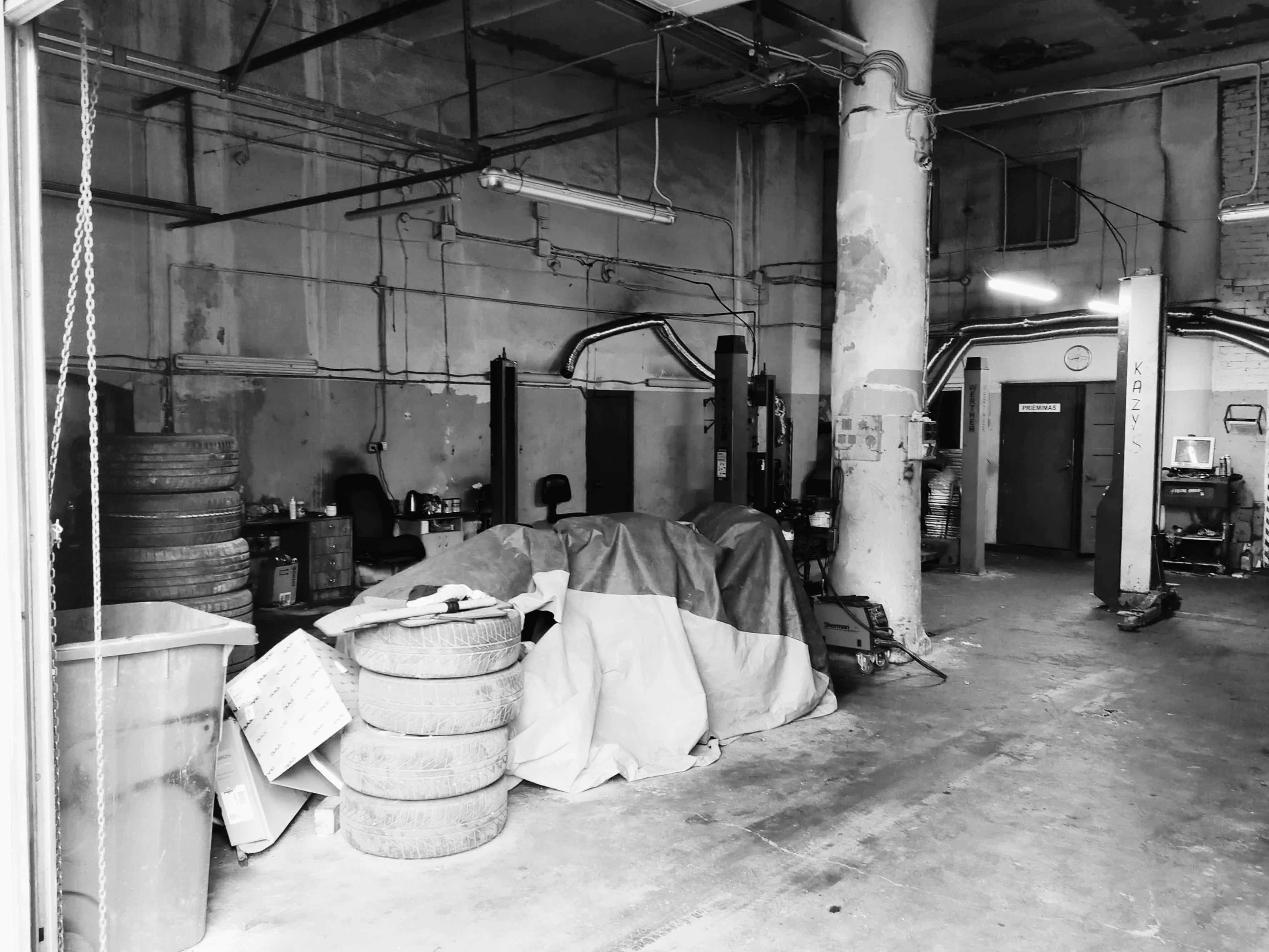
Now, the columns are visible in the garage that takes most of its space.

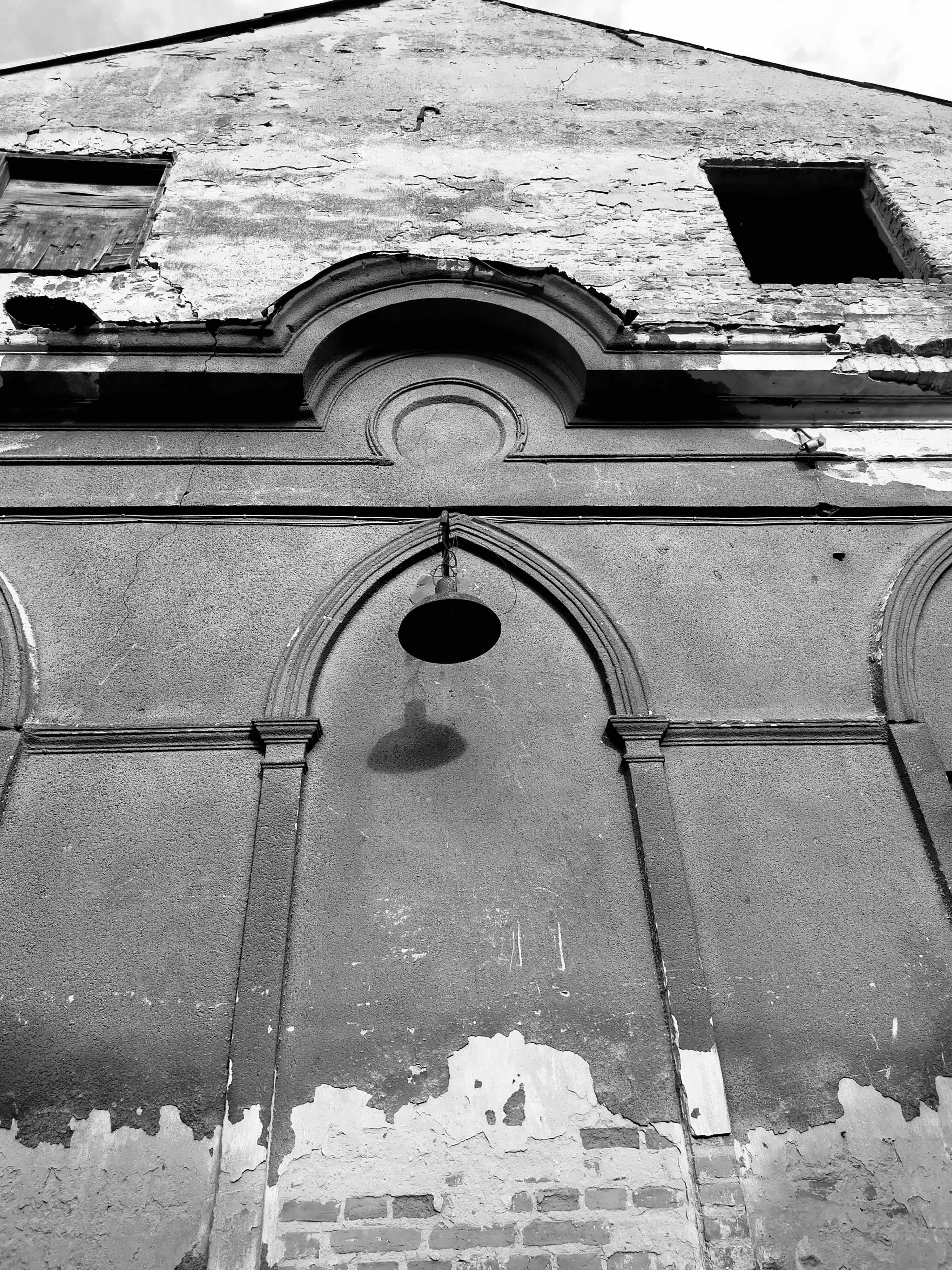
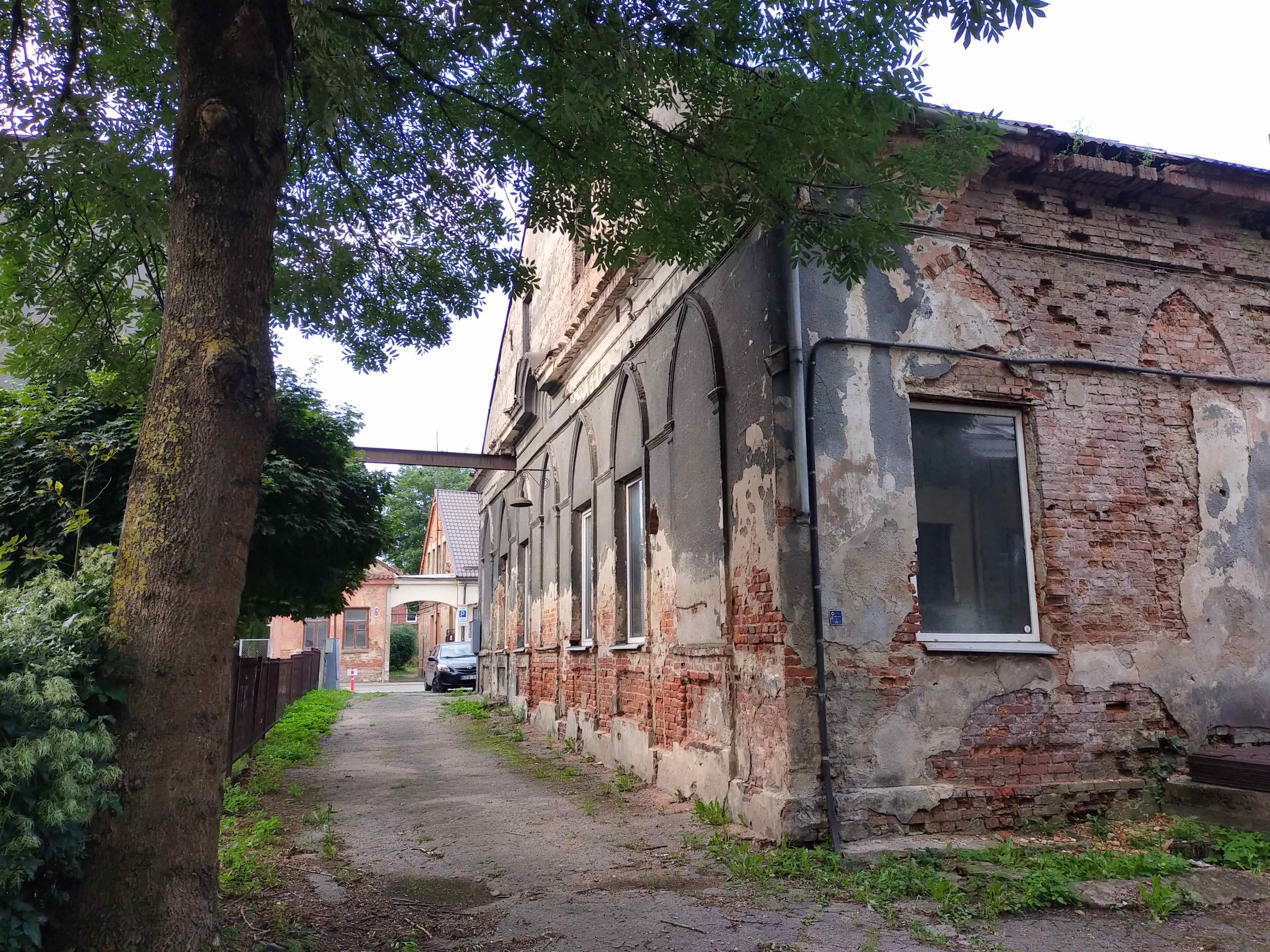
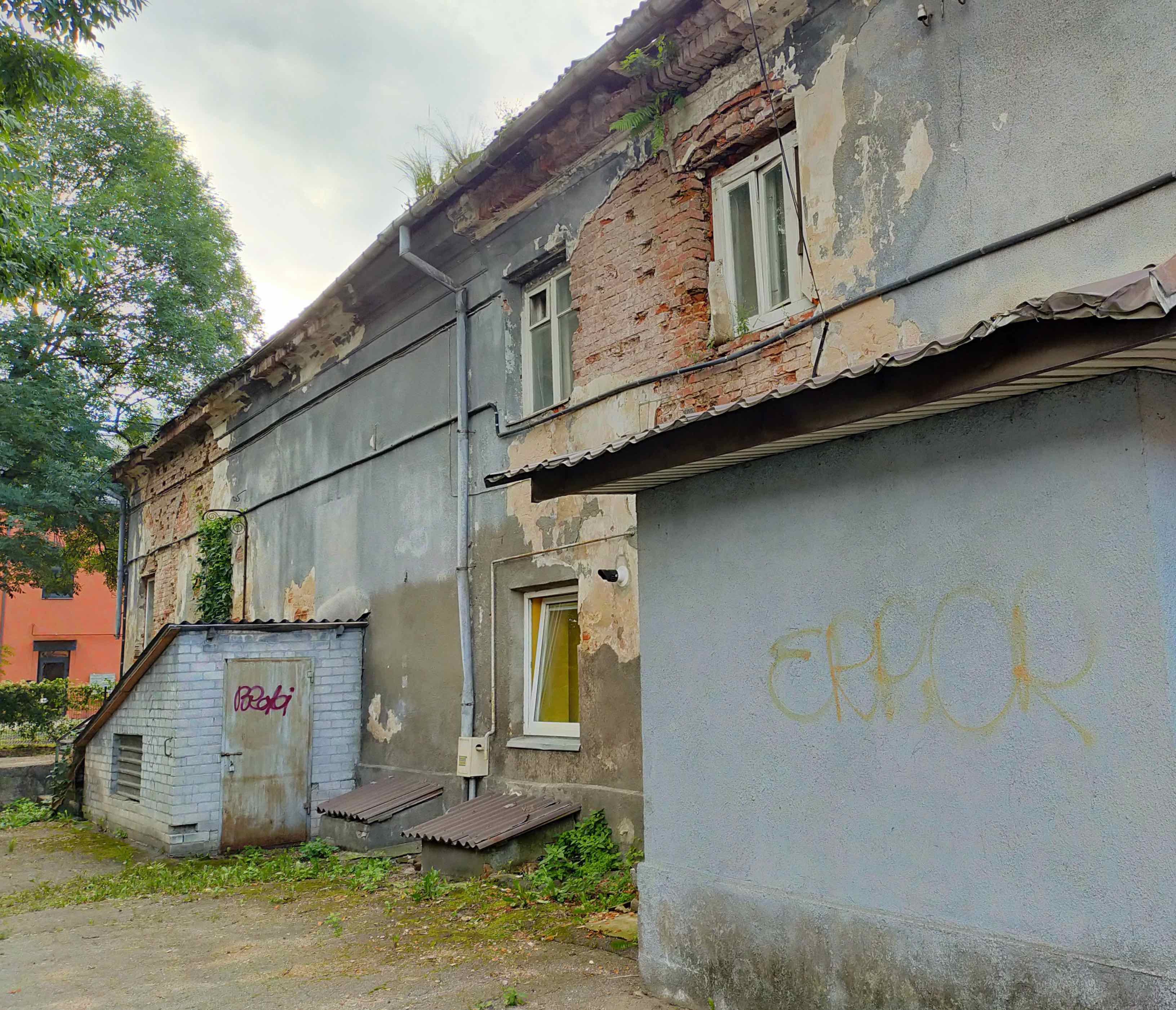
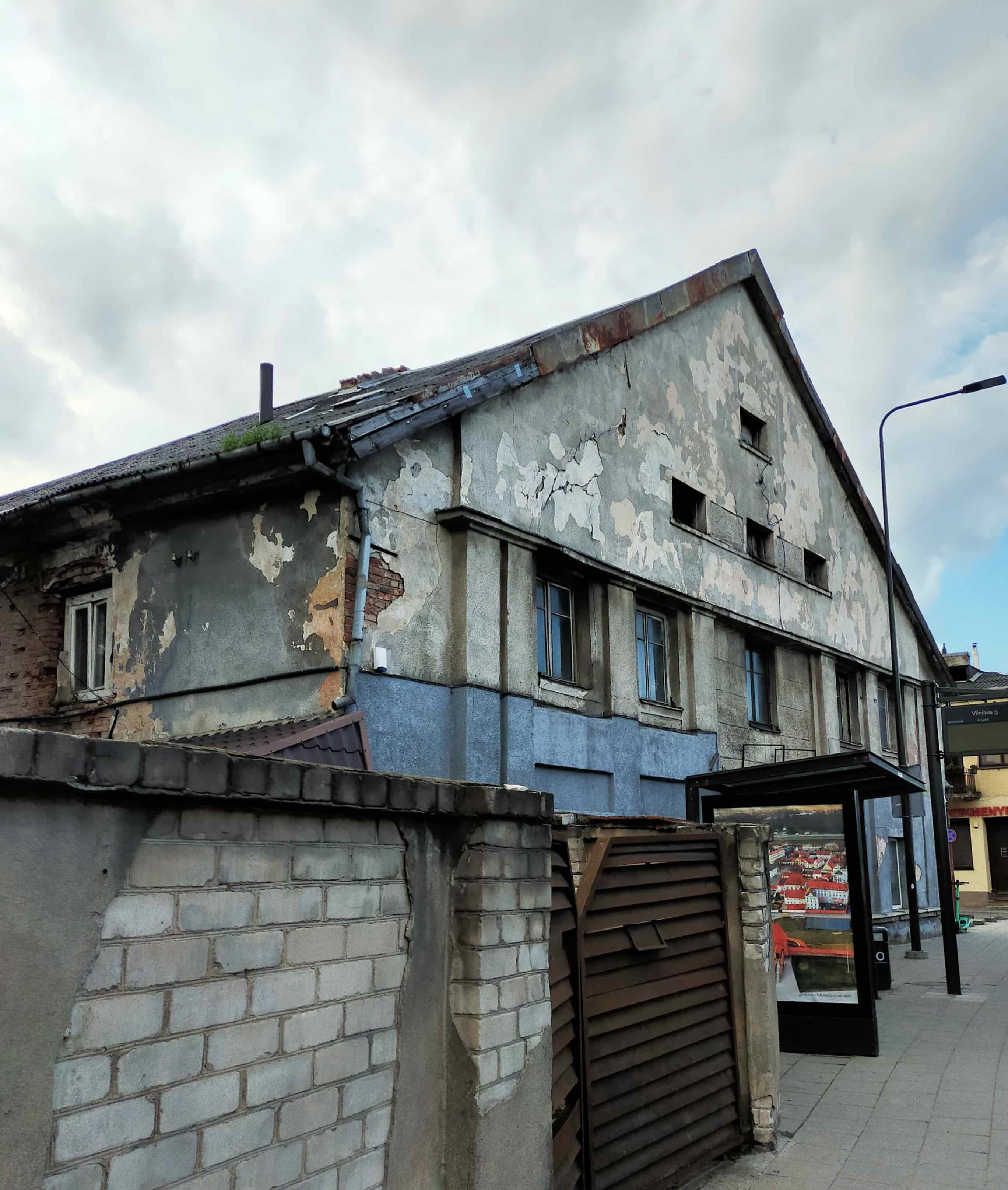
Kaunas Mėsininkai Synagogue – former Jewish synagogue in Kaunas , M. Daukšos st. 27. Now the ceramics and textile workshop of Kaunas Faculty of Fine Arts of the Vilnius Academy of Arts (wiki).
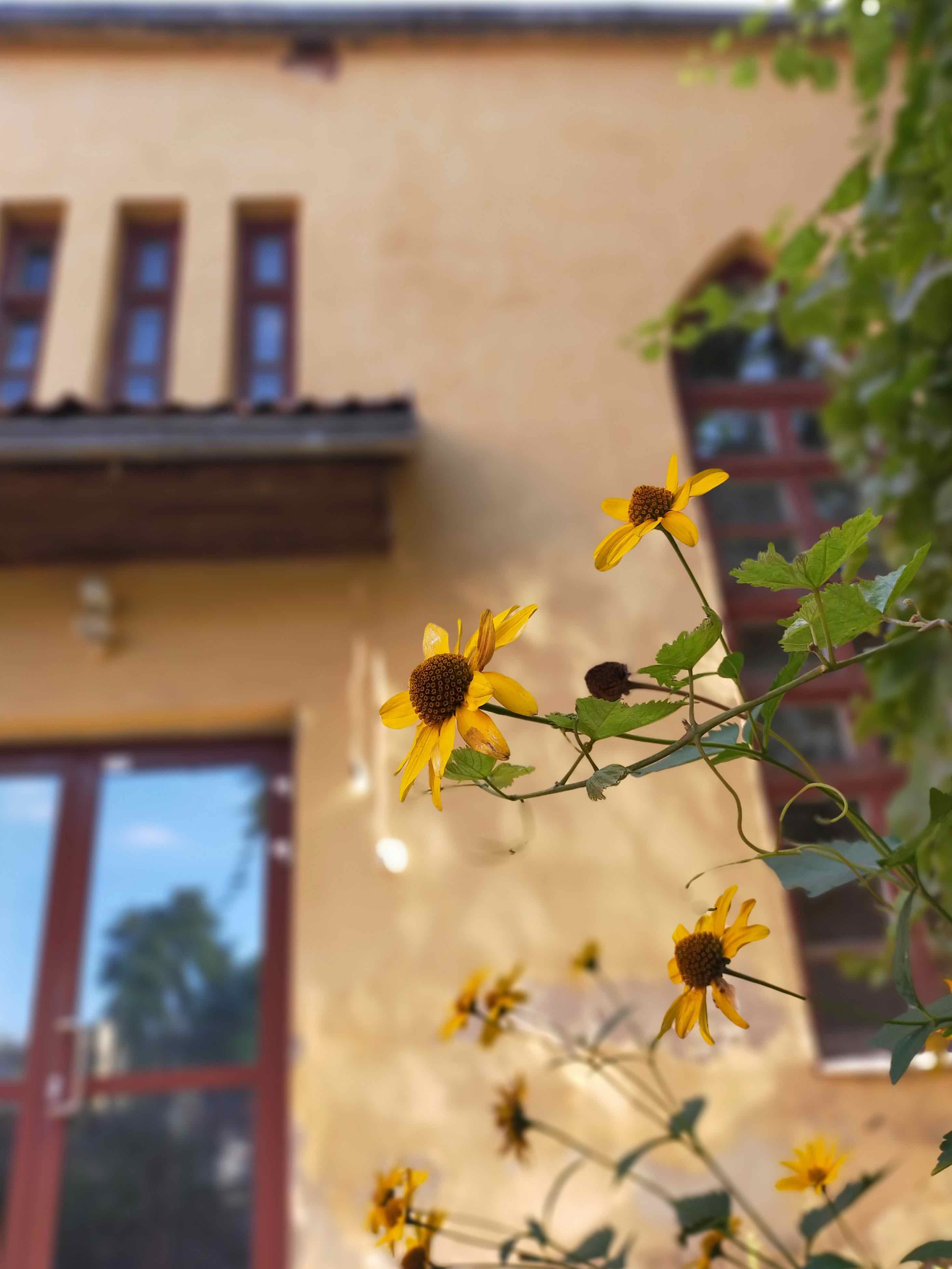

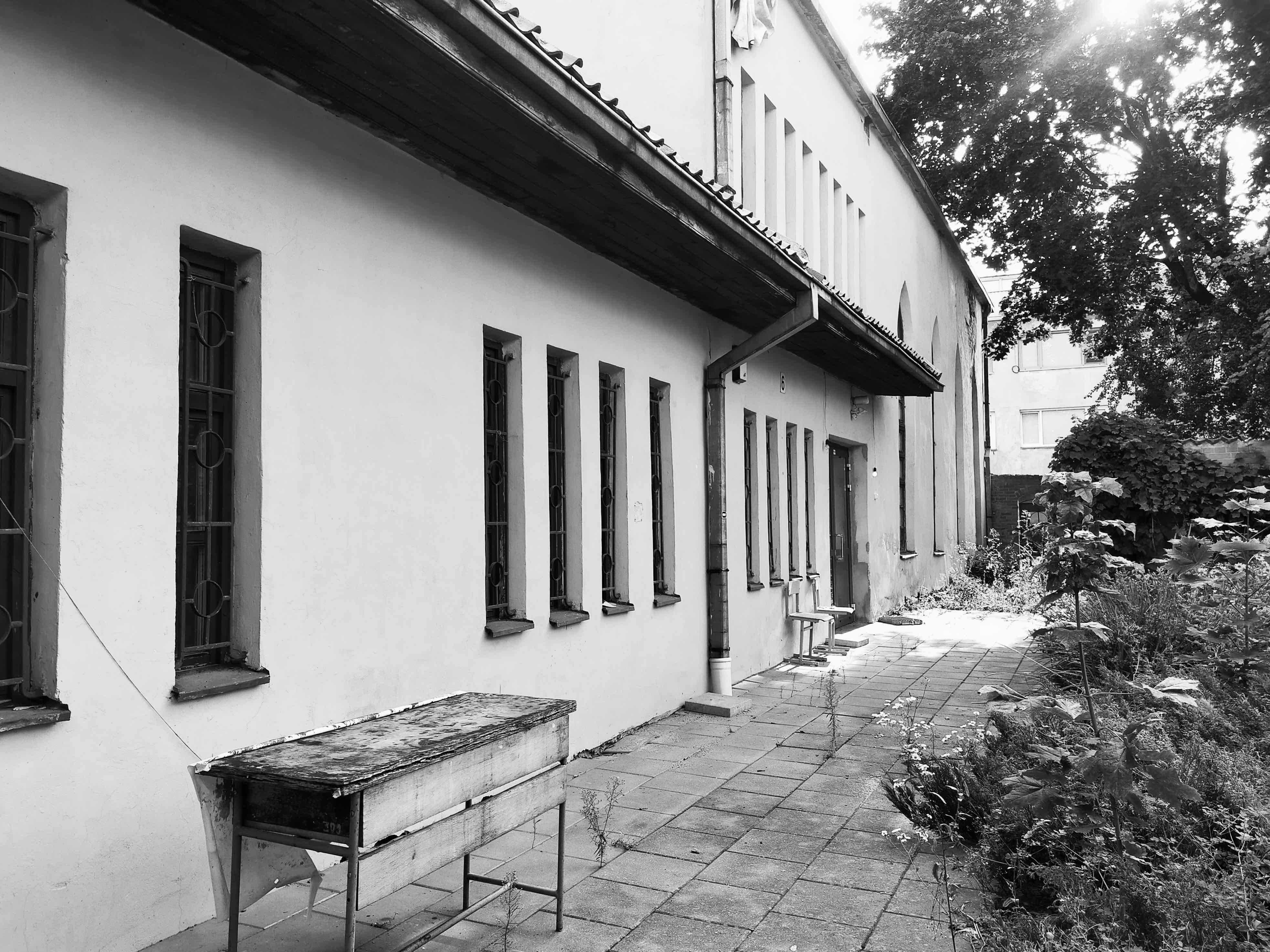
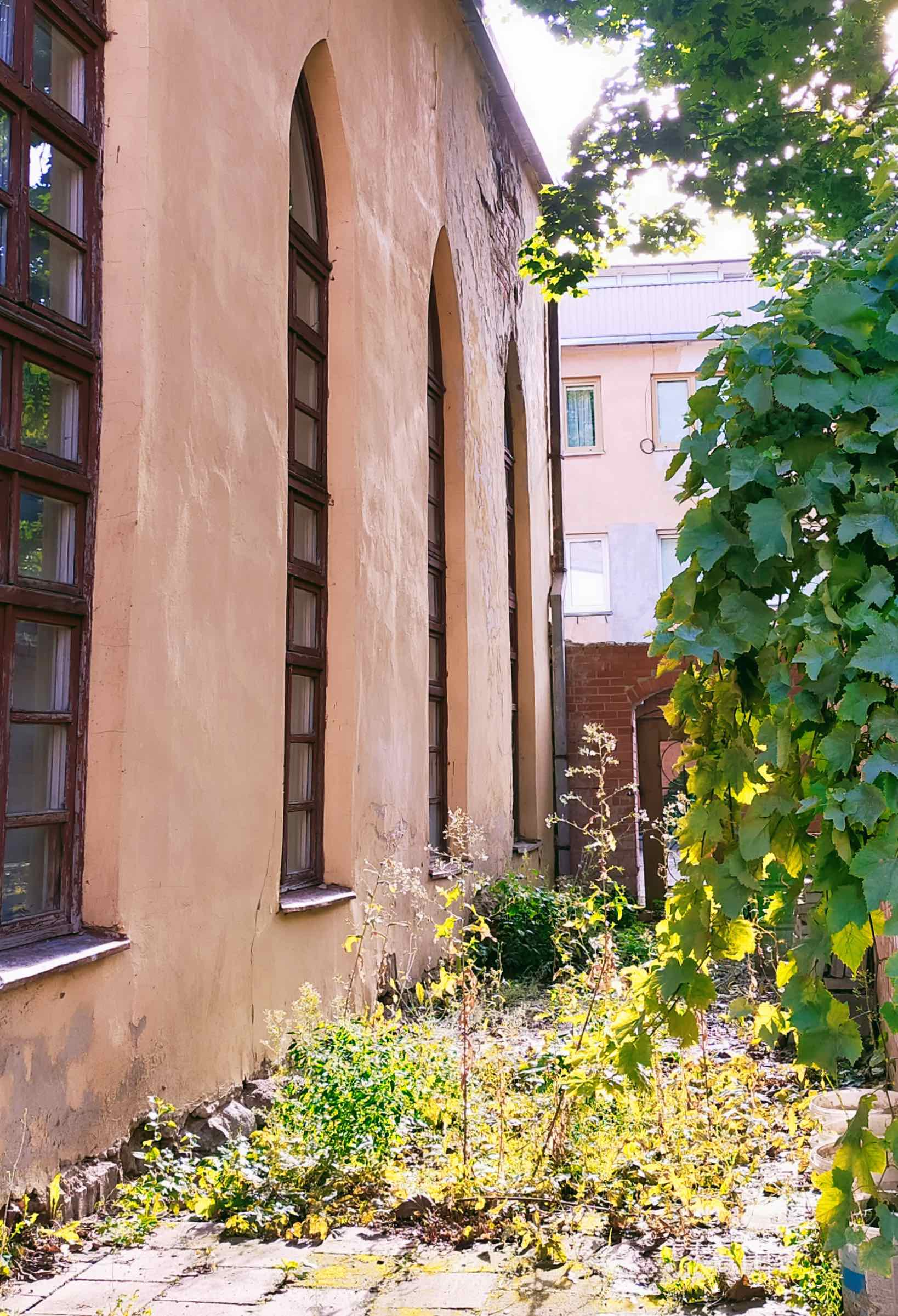
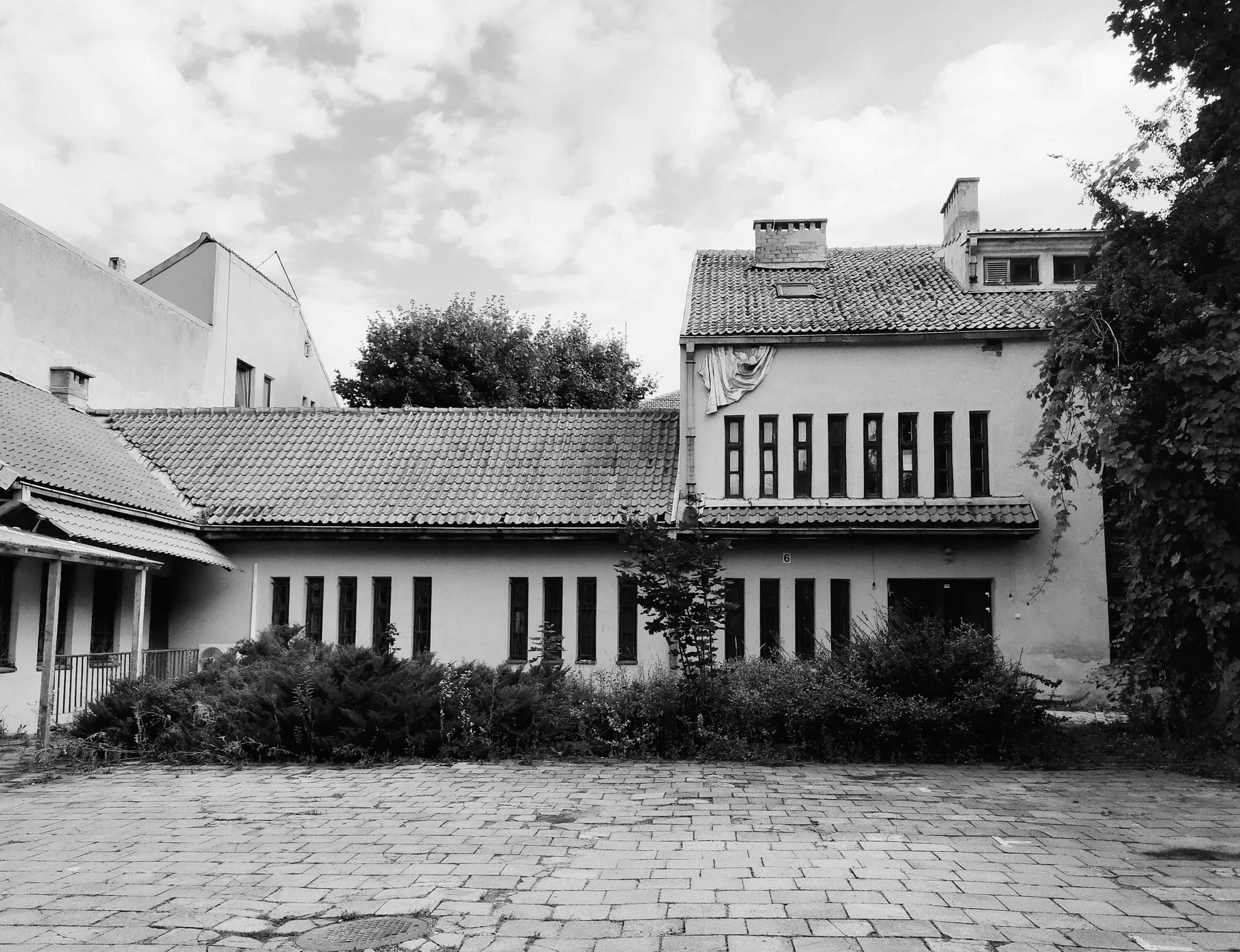
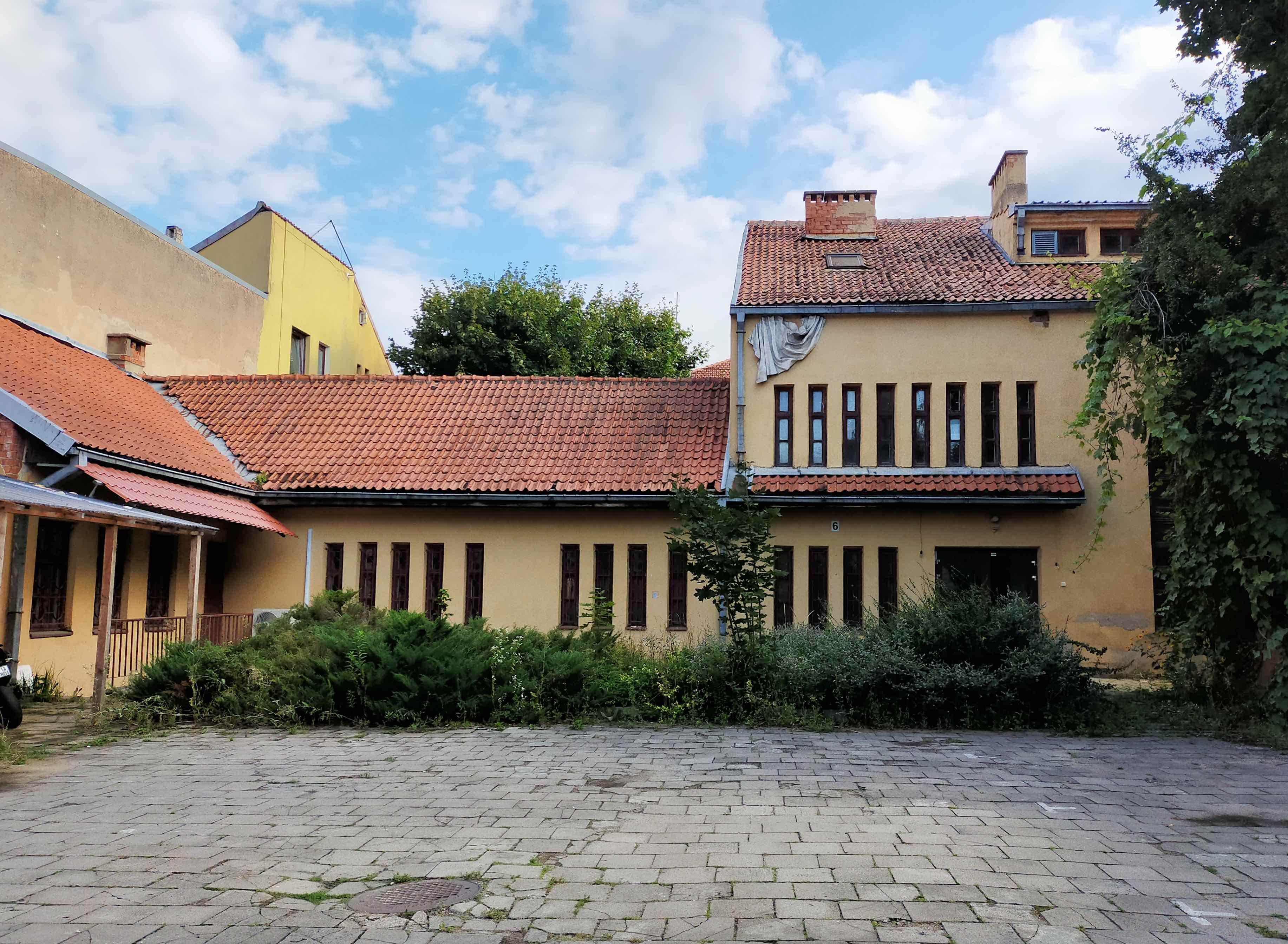
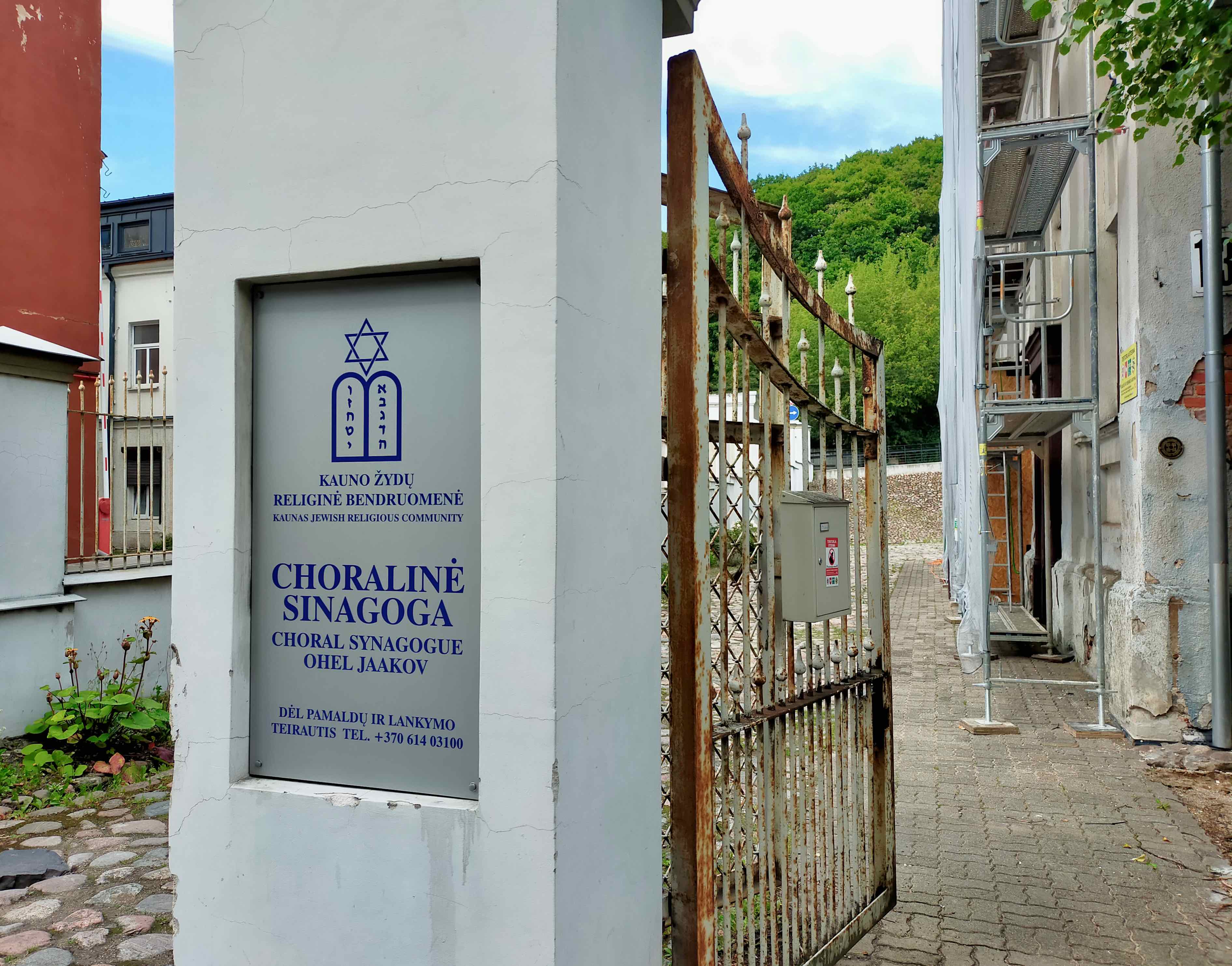
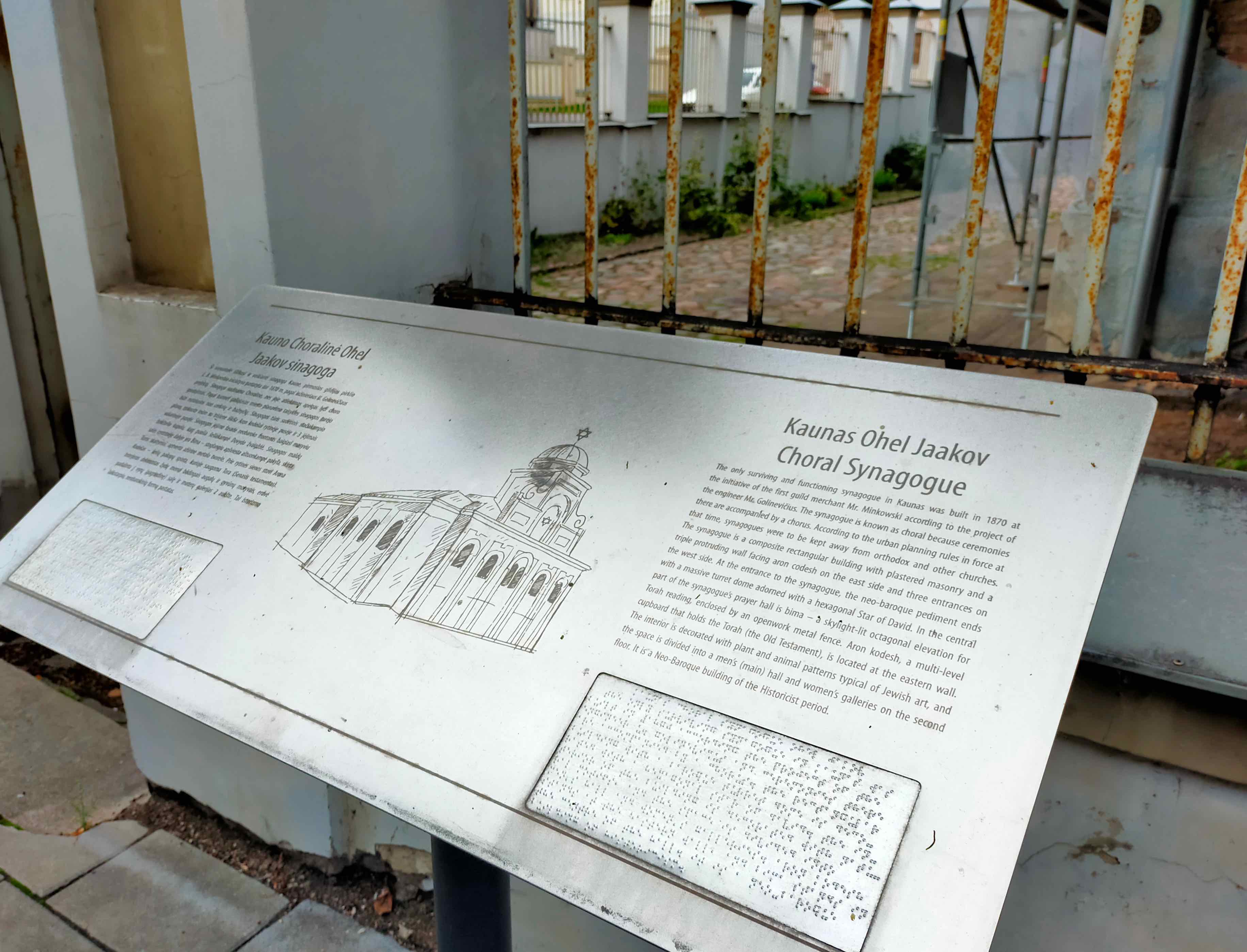
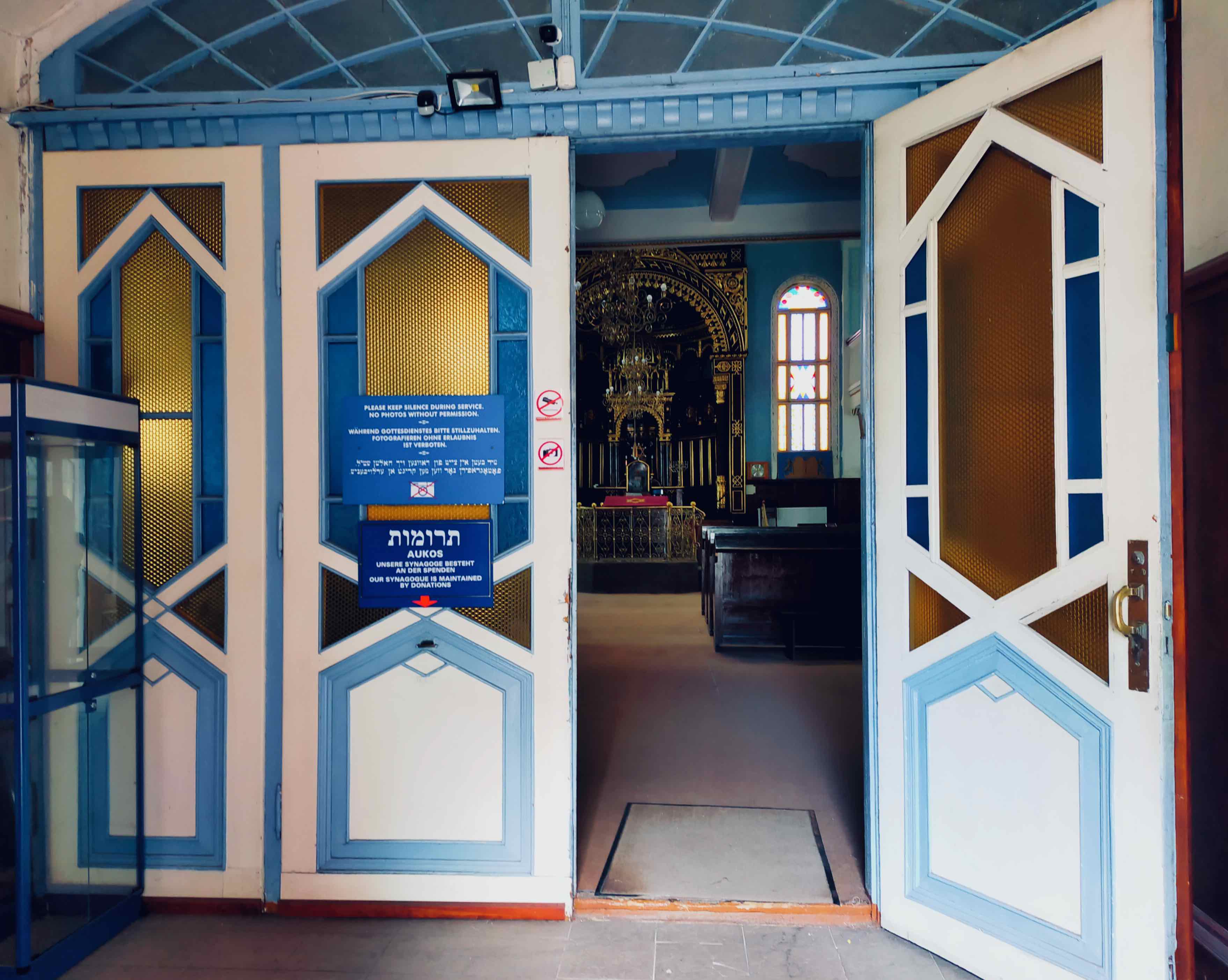
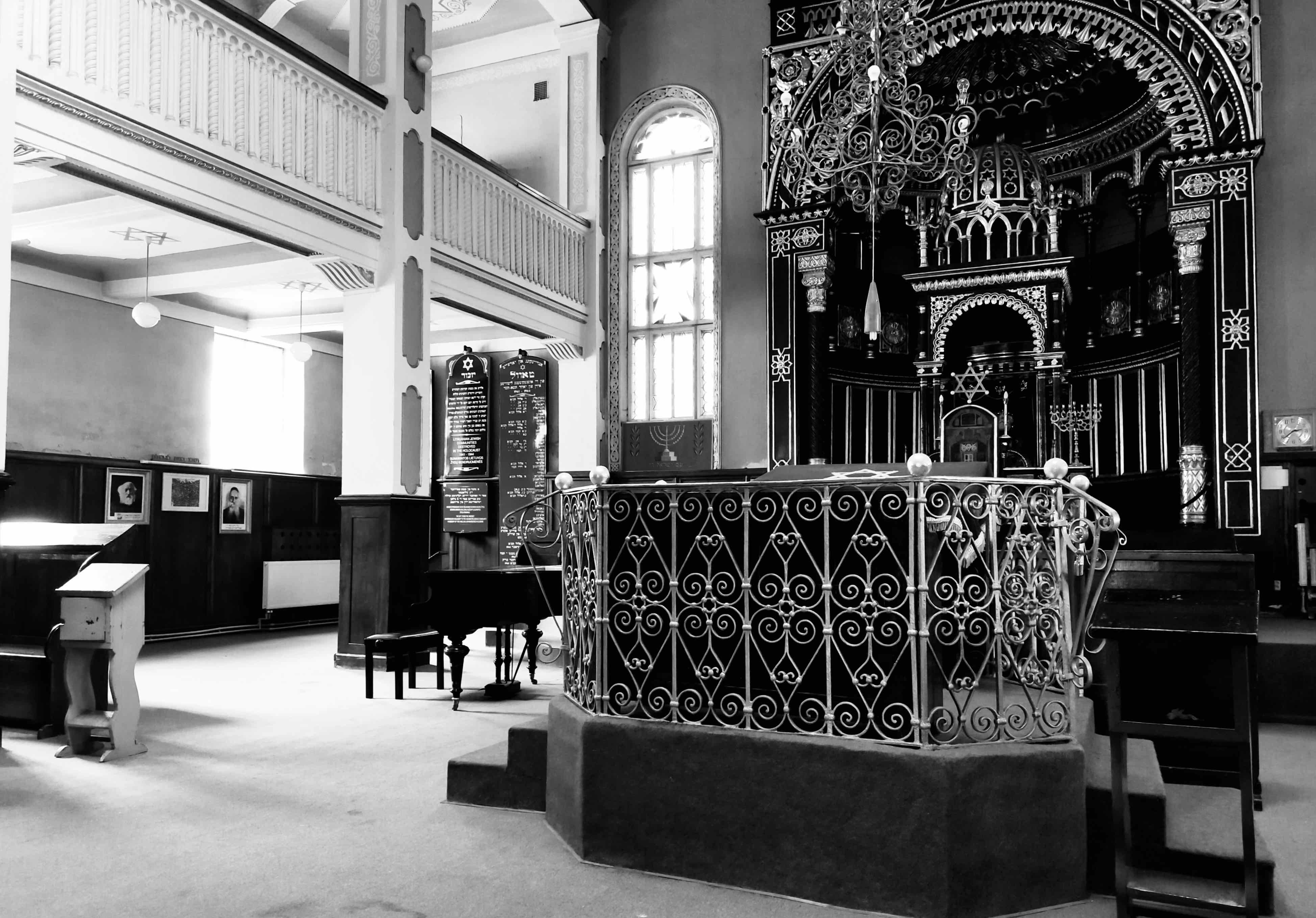
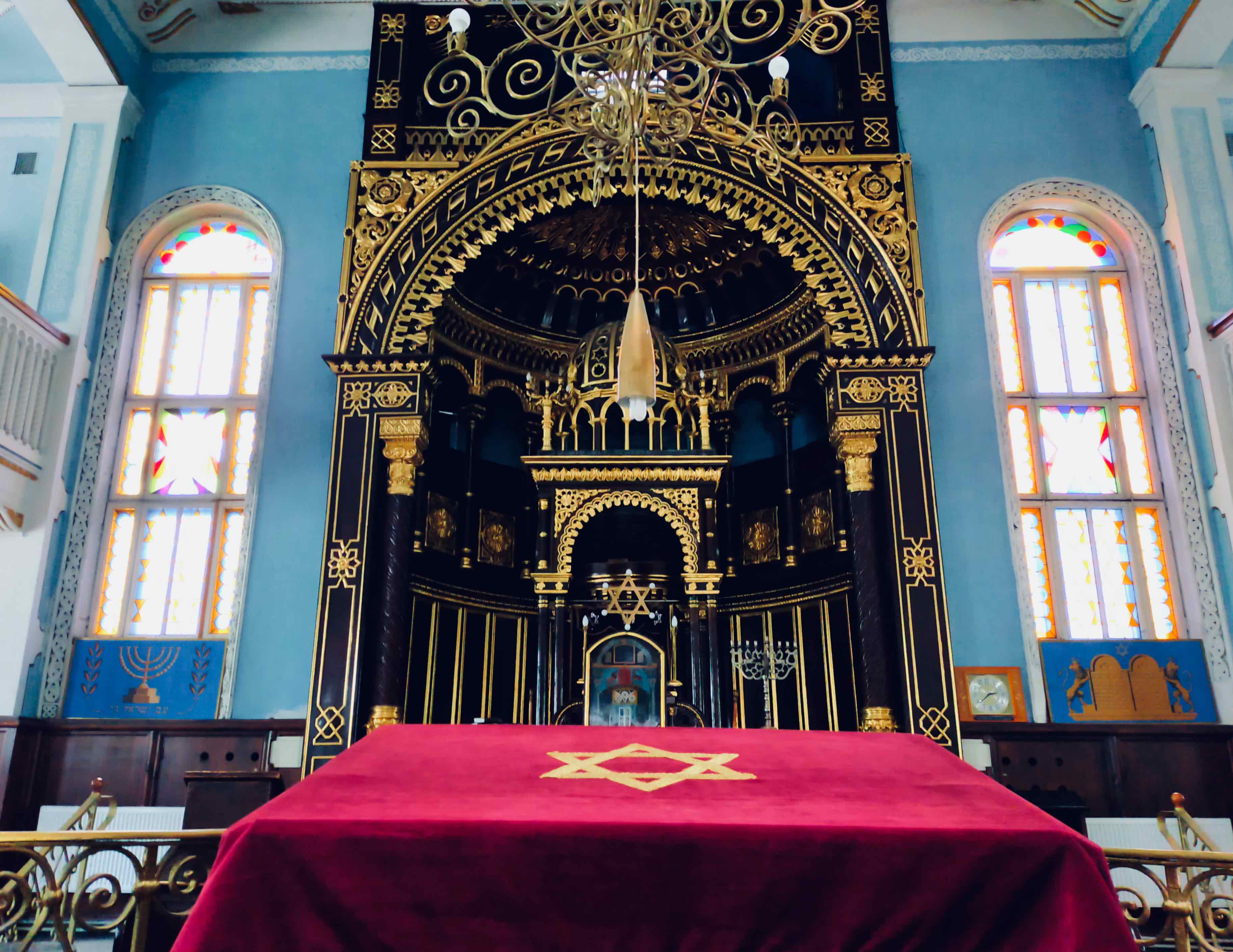
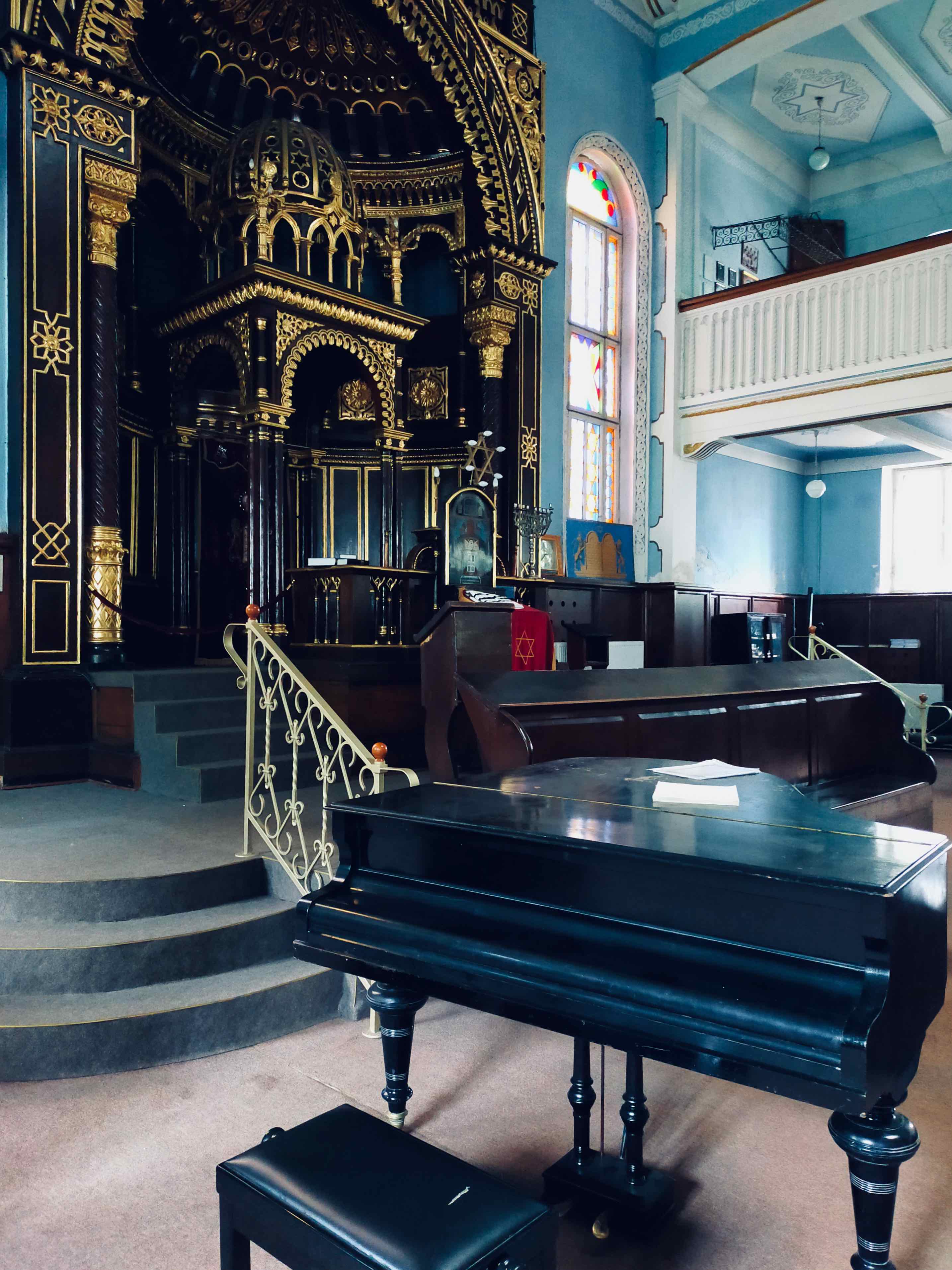
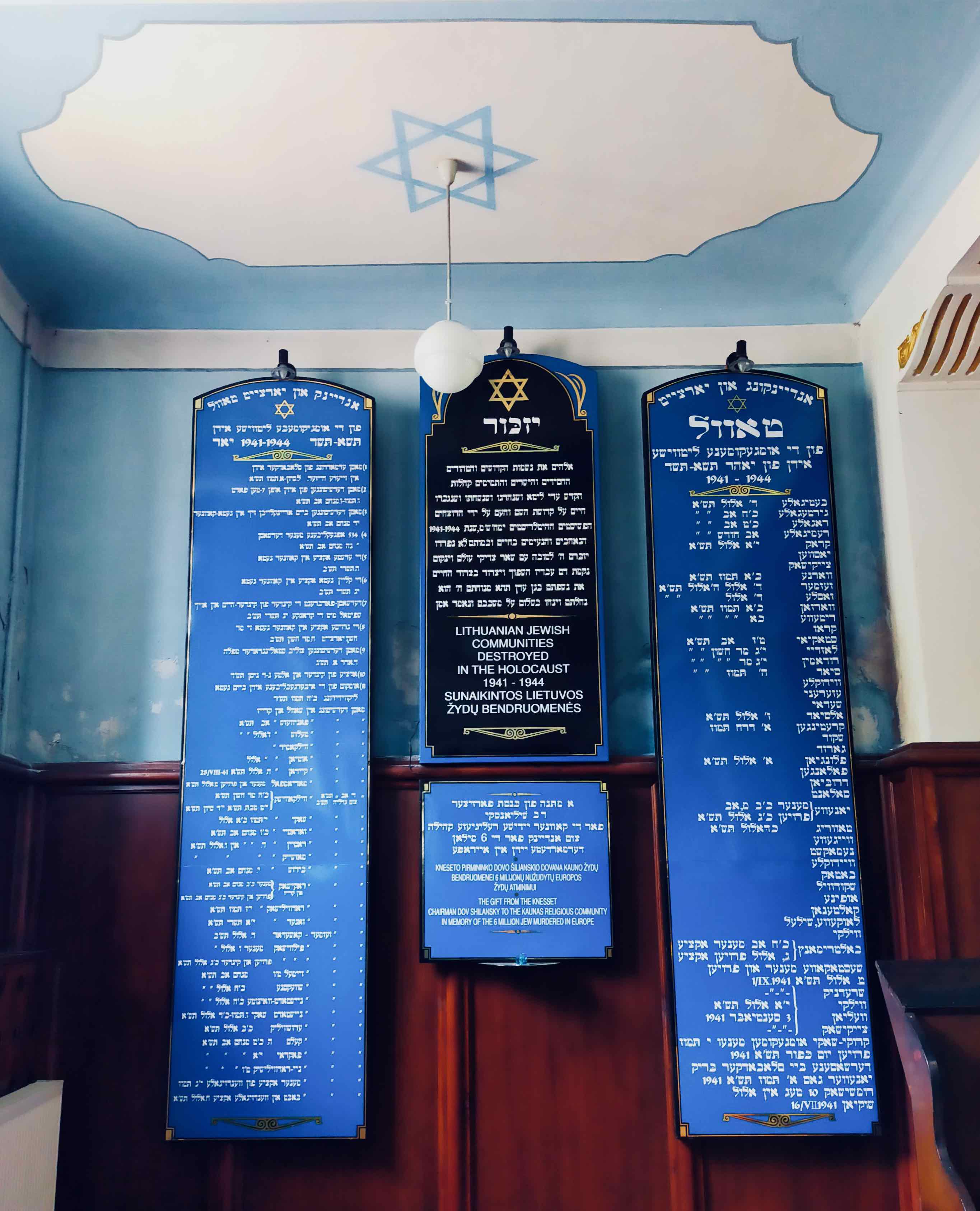
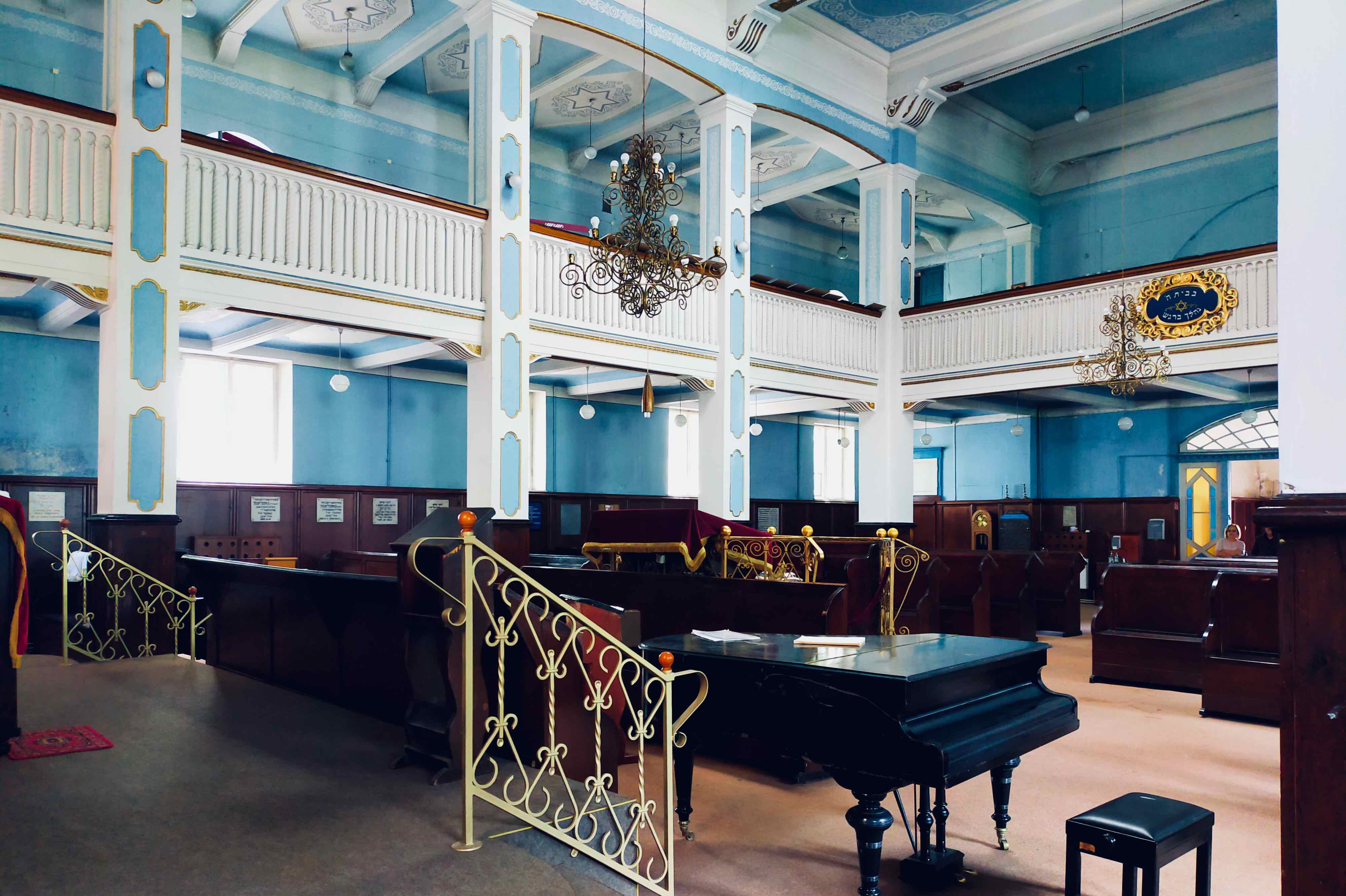
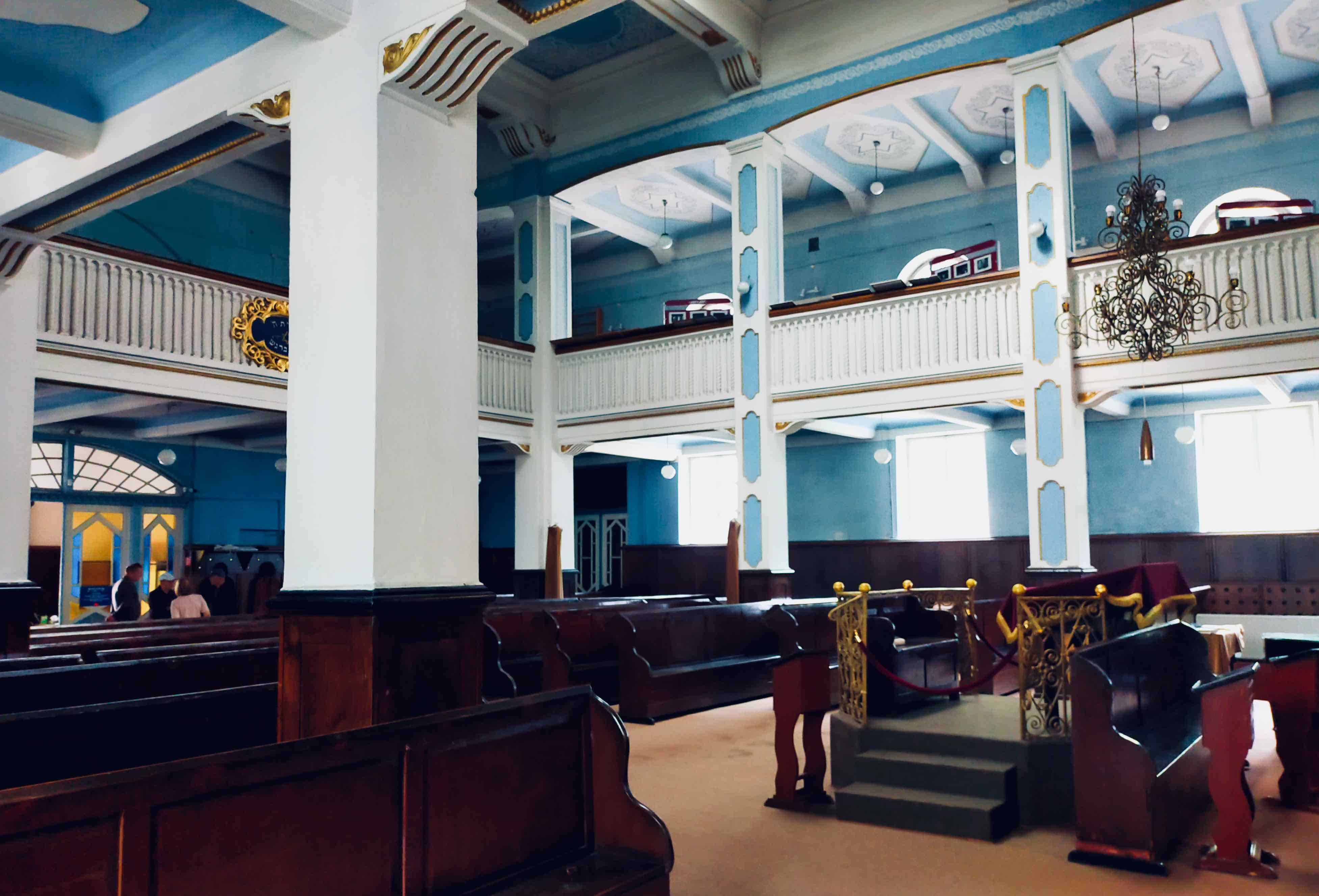
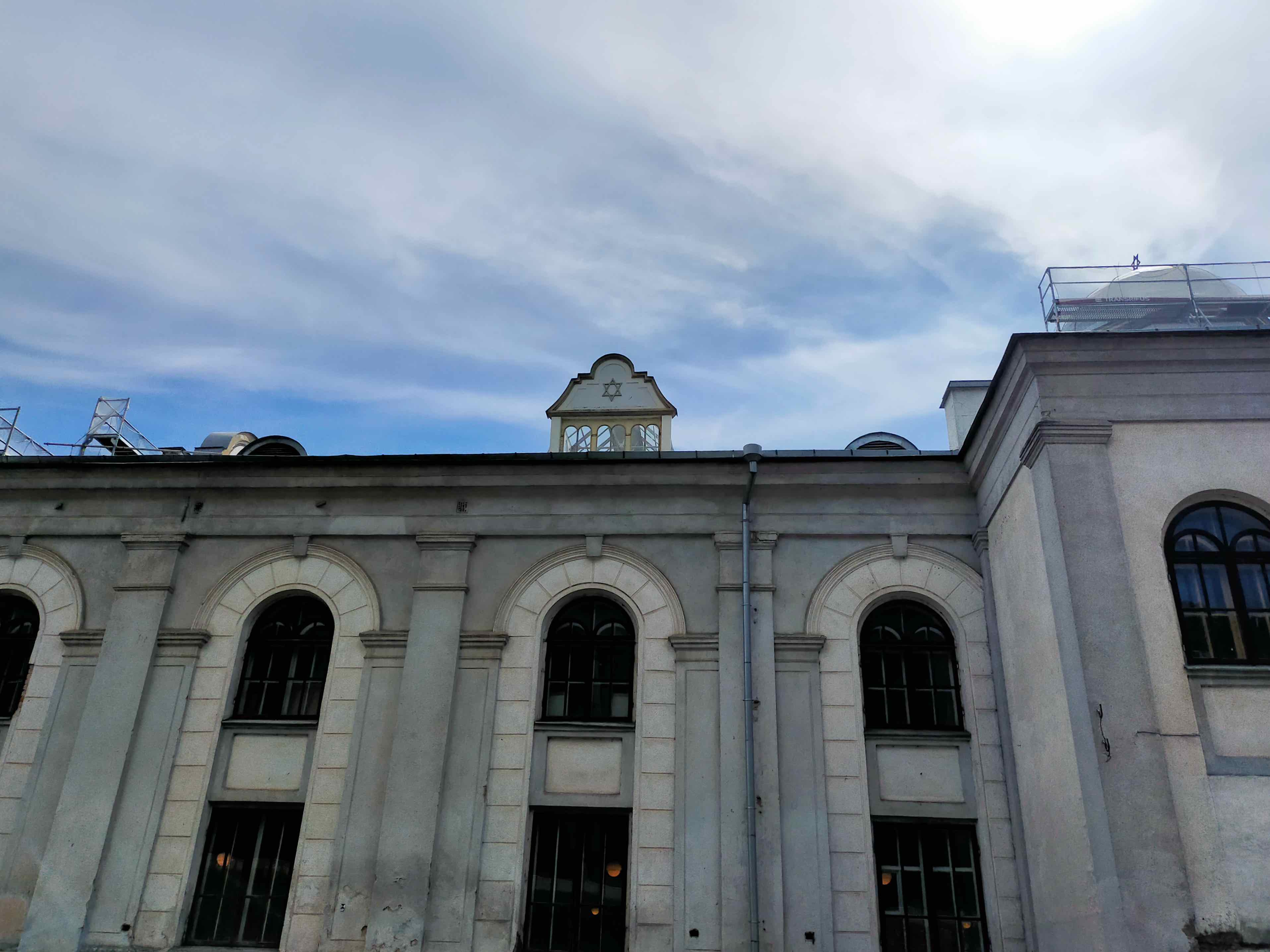
Kaunas Synagogue (below; Lithuanian: Kauno choralinė sinagoga) is one of two operating choral synagogues in Lithuania (the other one is in Vilnus).
The Neo-Baroque synagogue was built in 1872. In 1902, before the Holocaust in Lithuania, it was one of over 25 synagogues and Jewish prayer houses in the city (25!!!)
The plot for the new synagogue was bestowed to the Kovno Jewish community by the merchant Lewin Boruch Minkowski, the father of Oskar Minkowski and Hermann Minkowski; until 1873 he also subsidized the major part of its construction.
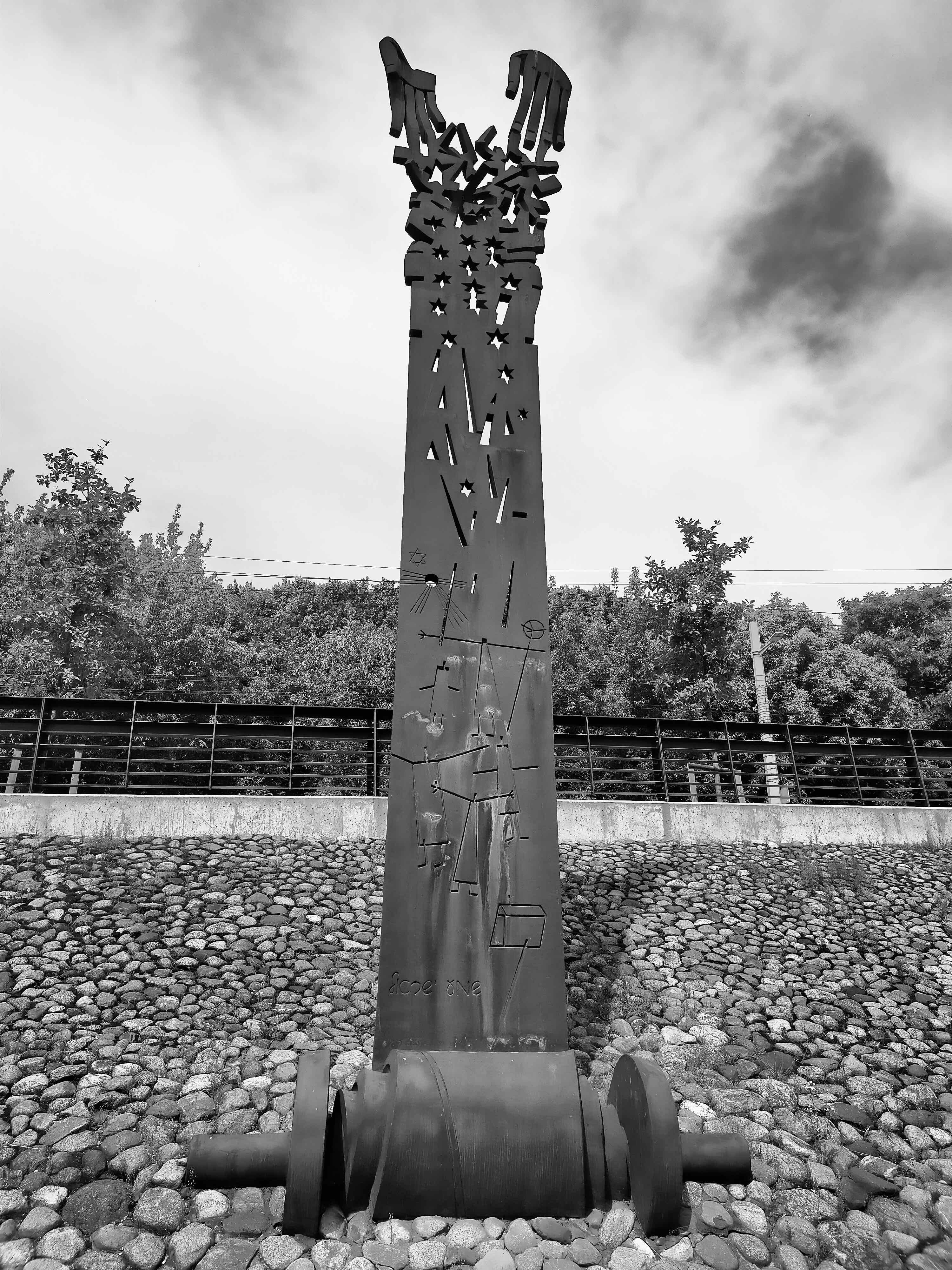
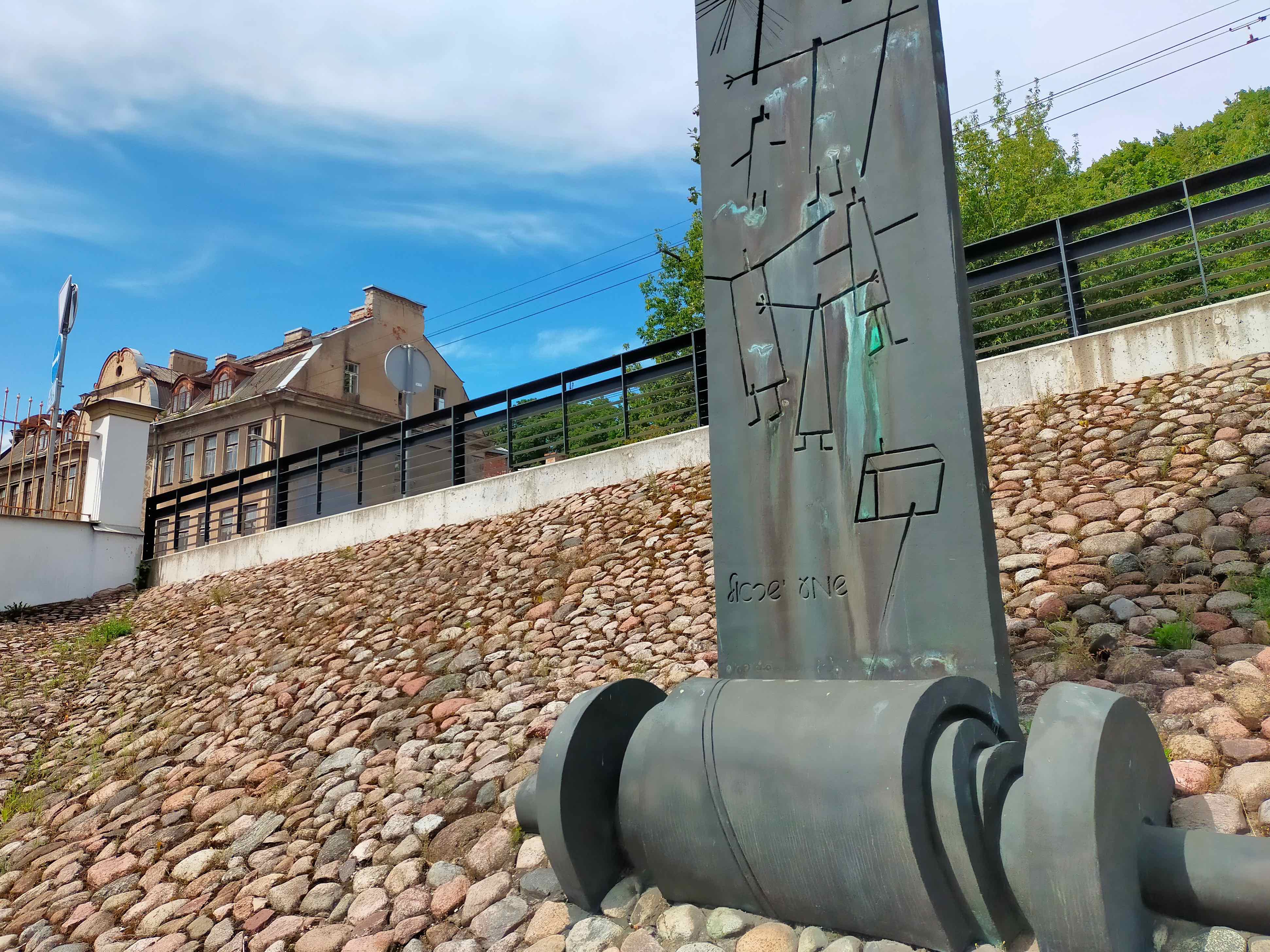
A memorial to the estimated 50,000 Lithuanian Jewish children killed during the Holocaust can be found at the rear of the building, complete with 37 stone tablets showing in which towns and cities they lost their lives and just how many of them died in each one.

 Anna C. Zielinska